Bottlenose Dolphin
Tursiops truncatus
Tursiops aduncus
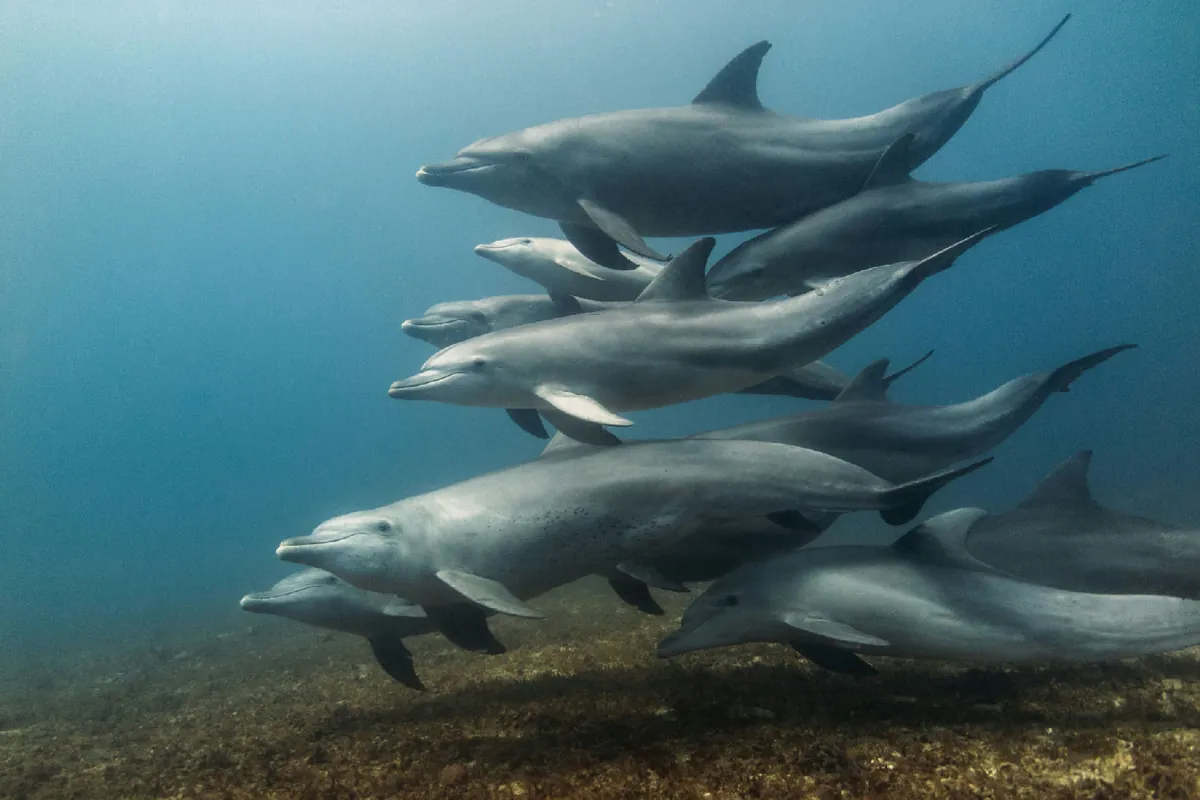
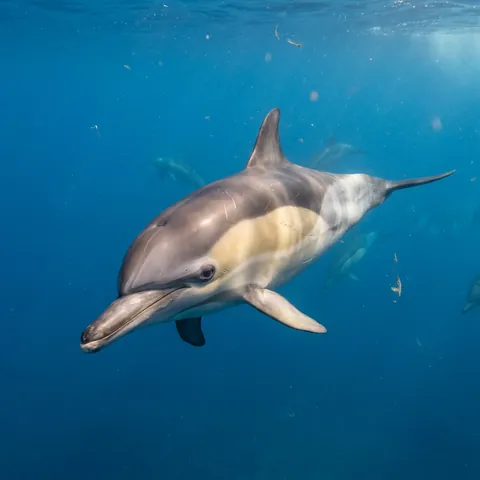
The Indo-Pacific bottlenose dolphin lives in coastal waters and is closely related to the common bottlenose dolphin, which it closely resembles.
Also known as: indian ocean bottlenose dolphin, bottle-nose dolphin
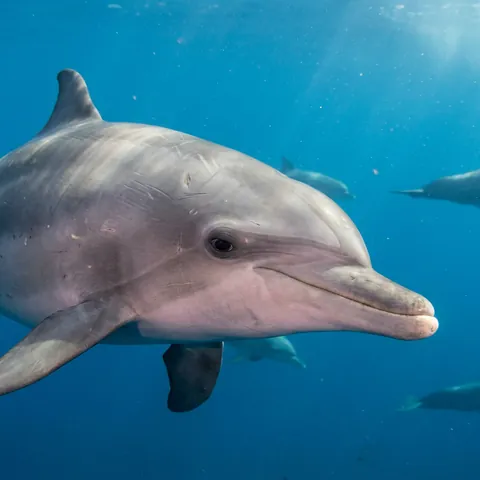
Look for grey spots scattered across the belly and lower sides. The common bottlenose dolphin, which shares much of the same range, lacks this spotting and has a shorter, stockier beak by comparison.
It has a slender body and a long, slender beak, called a rostrum. Its back is dark grey and its belly is lighter grey to nearly white, marked with grey spots. It can weigh up to 230 kg.
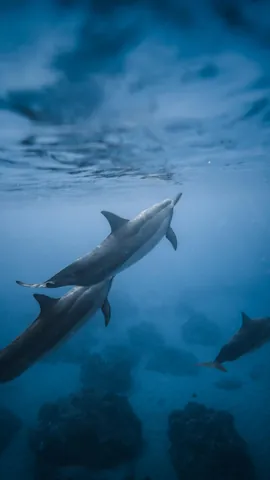
It usually travels in groups of five to fifteen, though groups can number in the hundreds. It sometimes mixes with common bottlenose dolphins and other dolphin species. Off Shark Bay, Australia, some individuals have been seen rubbing against certain corals and sponges.
It feeds mainly on fish, along with squid and other cephalopods.
This species is listed as Near Threatened. Because it lives close to shore, it is exposed to habitat degradation and fisheries. Gillnets, in particular, have caused deaths across much of its range, and sharks are its main natural predator.
In Shark Bay, Australia, some Indo-Pacific bottlenose dolphins break sponges off the sea floor and wear them over their beak, apparently using them as a tool to protect their snout while probing the sandy bottom for hidden fish.
Describe what you saw and we name it, then keep every species you find in your Oceandex.