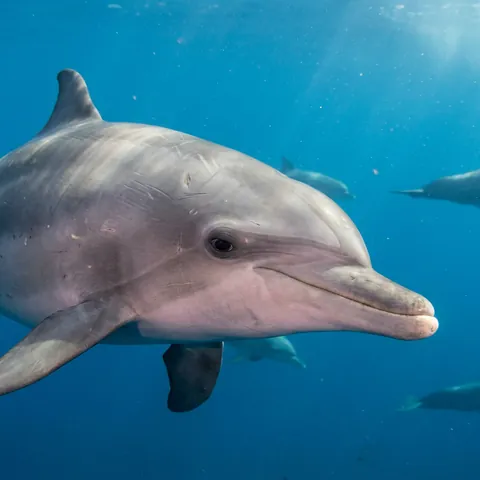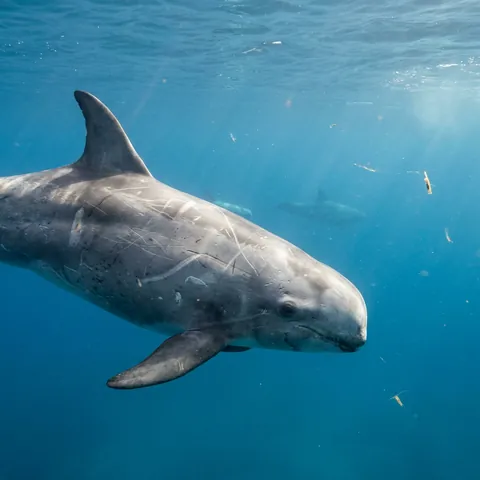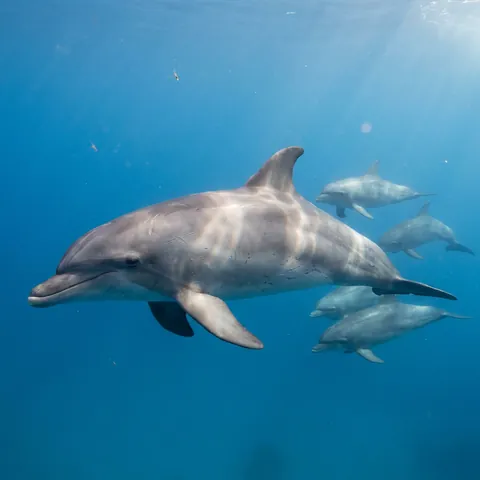
Bottlenose Dolphin
Tursiops truncatus
Stenella longirostris
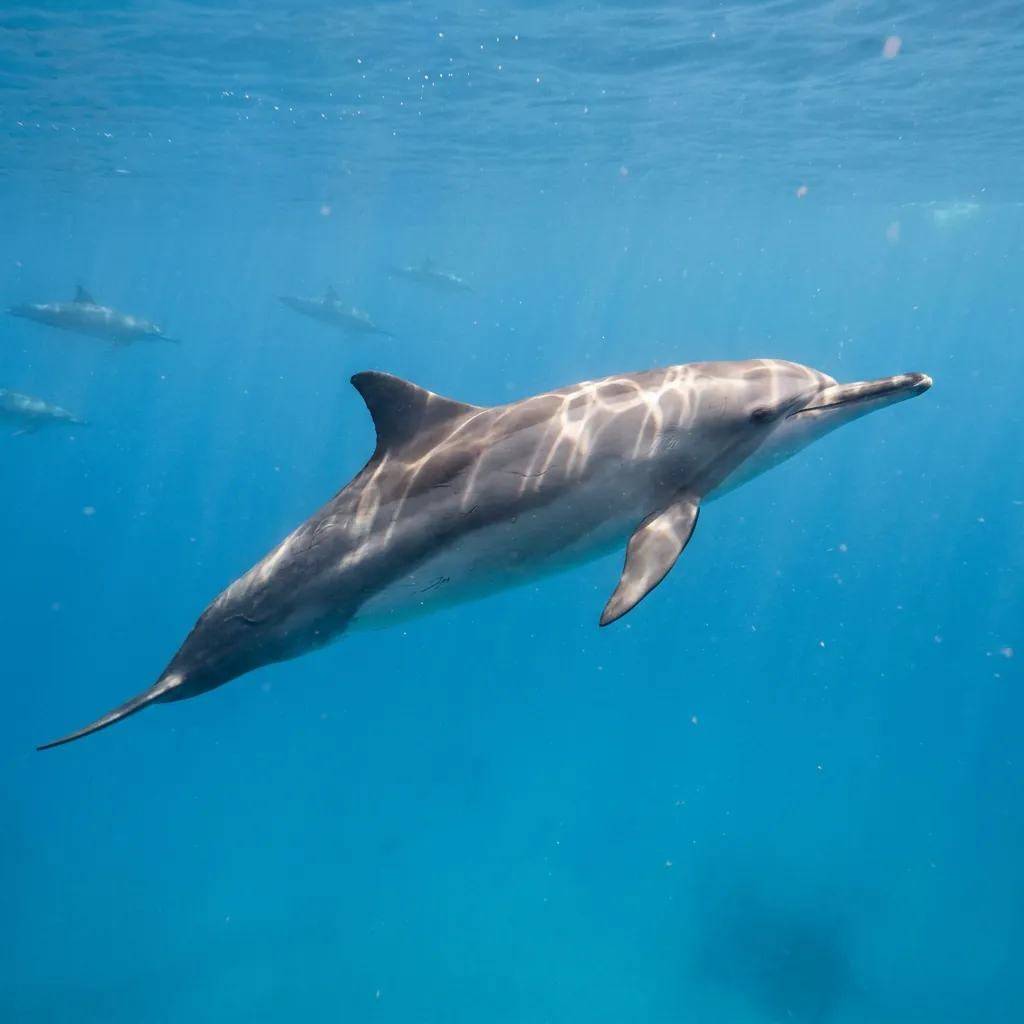
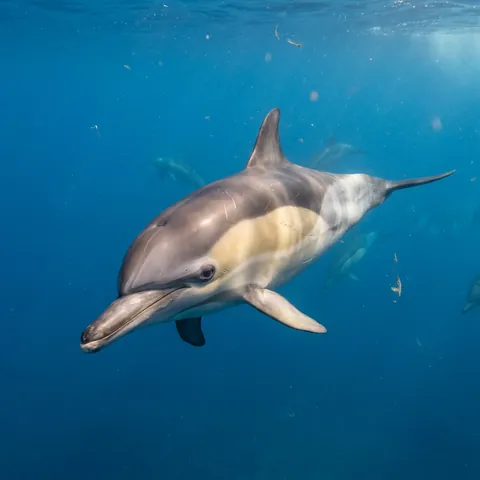
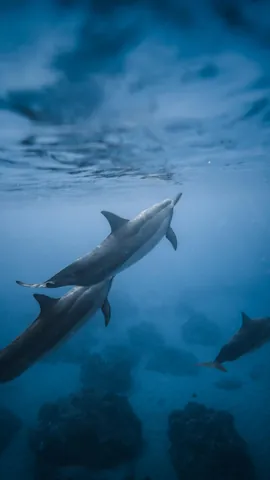
The spinner dolphin is a small, fast-swimming dolphin found in warm, open waters around the world. It is famous for a spectacular trick: leaping clear of the surface and spinning rapidly along its own body axis before crashing back down.
Also known as: central american spinner, central american spinner dolphin, dwarf spinner dolphin, eastern spinner dolphin, gray's spinner, gray's spinner dolphin, long-beaked dolphin, stenella longirostris
Many small, open-ocean dolphins look alike at a glance. What sets this one apart is a signature move: it spins fast around its own long axis in mid-air before splashing back down, something no other dolphin does in quite the same way.
Spinner dolphins are small and slender, with a long, narrow snout and a dorsal fin on the back shaped like a triangle. They grow up to 240 cm long and can weigh as much as 77,000 g.
Spinner dolphins live in tropical and subtropical waters across every ocean, mostly close to coasts, islands, and offshore banks, though some groups range far out to sea. They can dive to at least 4,330 m while hunting.
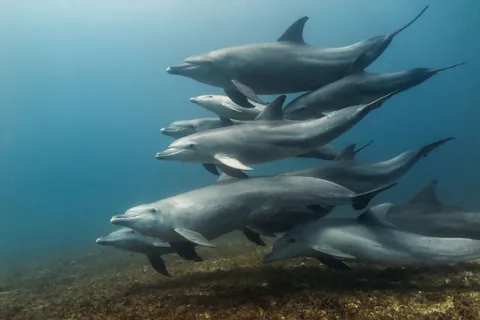
By day, spinner dolphins often rest together in shallow bays near deep water, moving slowly back and forth in a loose group. At dusk they move offshore to hunt small fish, squid, and shrimp, sometimes working together to herd prey into tight patches. Mothers and calves form close bonds, and adults tend to change partners rather than pair for life.
harmless to humans
The spinner dolphin is listed as Least Concern, but some populations have suffered badly from human activity. Tuna fishing with purse-seine nets killed tens of thousands of spinner dolphins after the practice began in the 1950s, and the species is now protected under international agreements. Pollutants such as DDT have also been found in their bodies, and dolphin-watching boats can disturb their daytime rest if they crowd too close.
Off Hawaii, spinner dolphins hunt at night by circling a patch of fish as a group, then taking turns swimming through the middle of the circle to catch a meal.
Describe what you saw and we name it, then keep every species you find in your Oceandex.