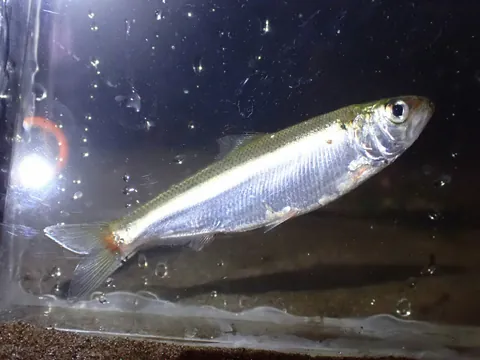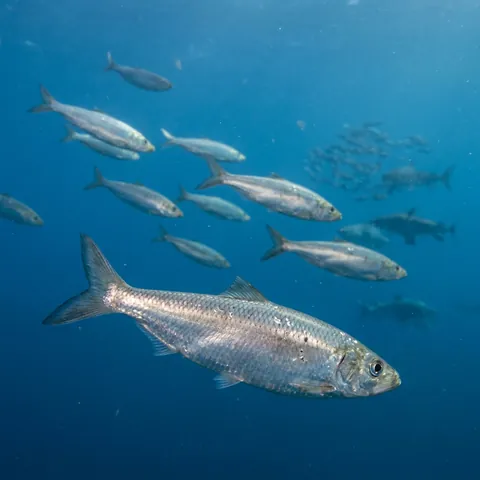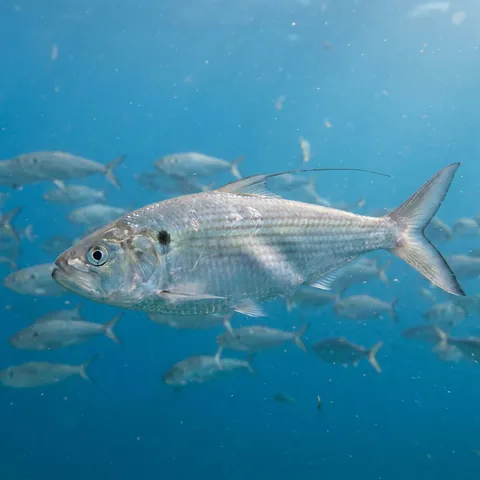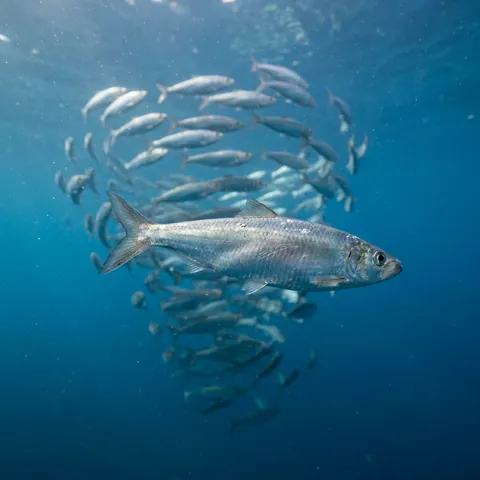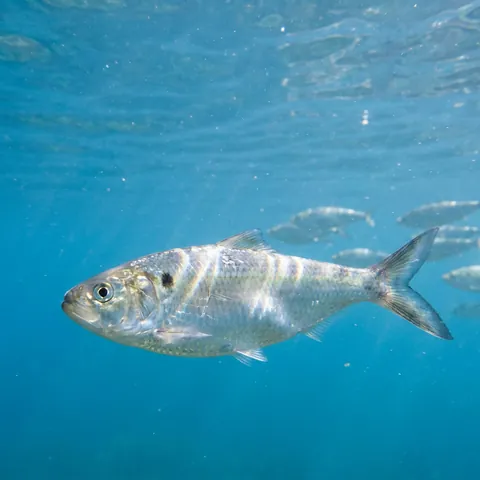
Alewife
Alosa pseudoharengus
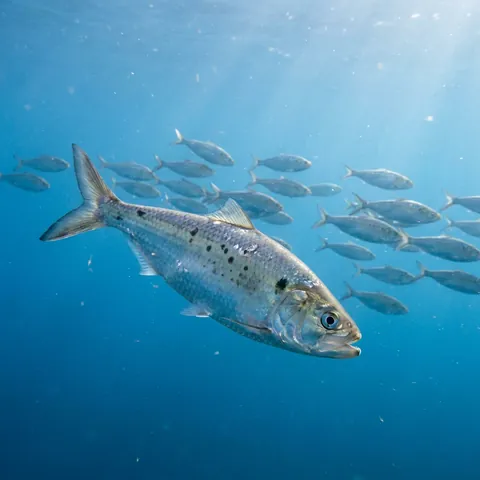
Alosa fallax
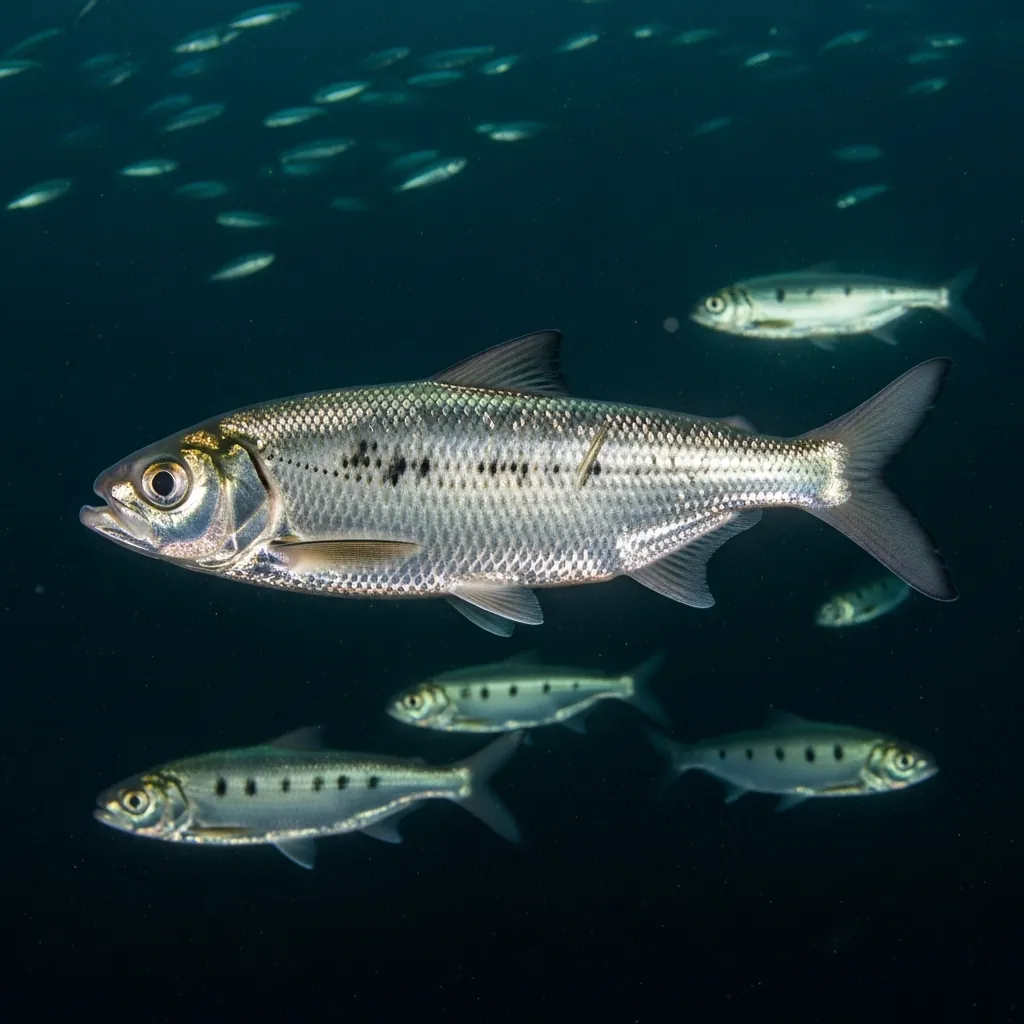
Amphihaline species , schooling and strongly migratory, but apparently not penetrating far up rivers . Adults are usually found in open waters along the coast (Refs.
Also known as: shad, twaite shad, twait shad, twaite, twaite shad
Look for diagnosis: Body somewhat compressed, moderately deep with depth at pectoral fin less than head length, scutes apparent along belly . Upper jaw notched, lower jaw fitting into it; no teeth on vomer; gillrakers fairly short and stout, total 30 to 80, shorter than gill filaments . A dark spot posterior to gill opening, followed by 7 or 8 similar spots along flank, but sometimes faint or absent . Alosa fallax resembles.
Amphihaline species , schooling and strongly migratory, but apparently not penetrating far up rivers .
59043, 89486); juveniles are usually found along estuaries and near the shore , possibly making vertical diurnal movements synchronized with the tides; they remain in estuaries for over one year .
Ichthyophagous, feeds on small fishes and crustaceans, the young taking the fry of herrings, sprats and gobies .
Herrings often move in tight schools that shift shape quickly when disturbed.
Describe what you saw and we name it, then keep every species you find in your Oceandex.