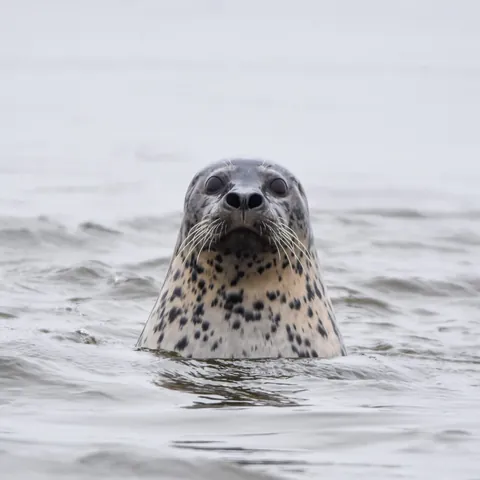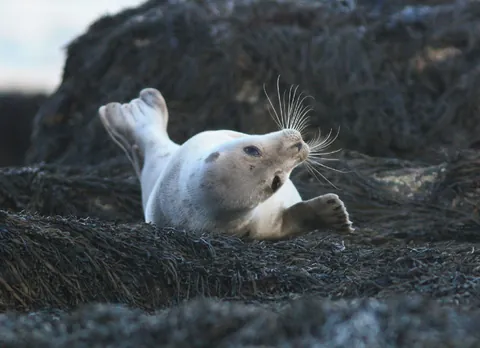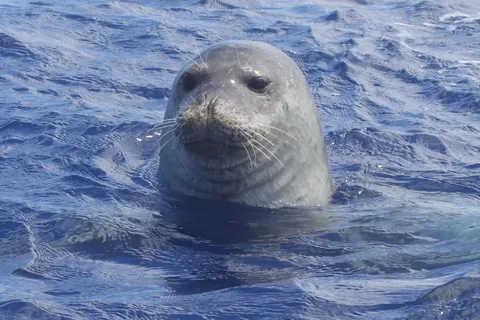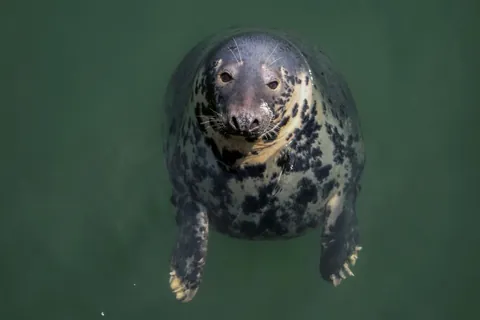
Grey Seal
Halichoerus grypus
seal
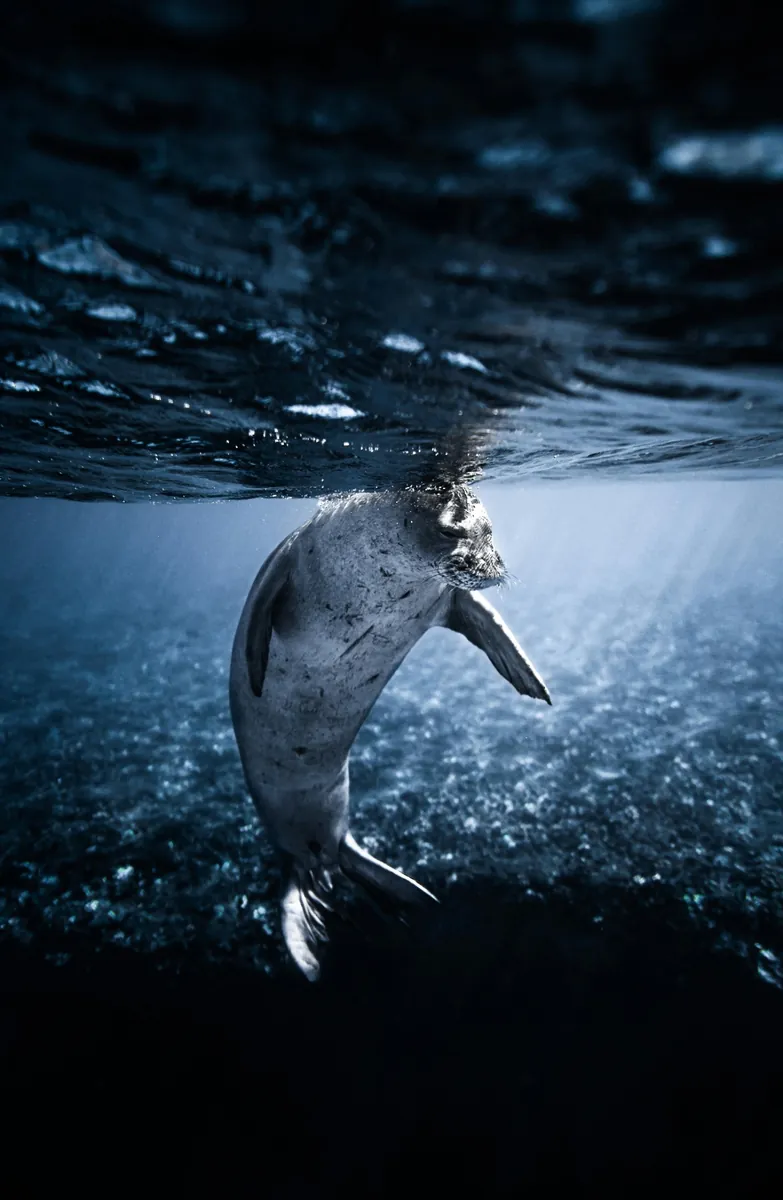
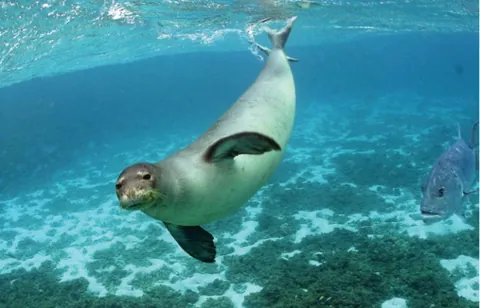
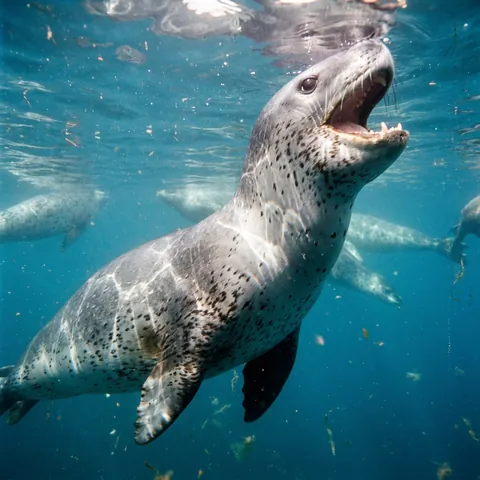
Seals in this group are true seals, which have no visible outer ears and cannot walk on their flippers like sea lions do. In this app the group includes the Harbor Seal, Grey Seal, and Leopard Seal.
Look for the lack of visible outer ears and small front flippers, which mark this group as true seals rather than sea lions or fur seals. On land, watch how they move: they cannot walk and instead bounce forward on their belly using their front flippers and muscles.
This group ranges from small seals just over a metre long to the huge southern elephant seal, which can reach almost 6 metres and 4,000 kg, the largest member of its order. They have short front flippers used mainly for steering, and hind flippers used for swimming, but their hind flippers cannot turn forward to help them walk.
This group spends most of its time at sea, only coming ashore or onto pack ice to breed and give birth.
Unlike sea lions, most of this group does not bark. Instead, they communicate by slapping the water, grunting, and in some species, roaring on land or singing underwater.
This group hunts using several methods, including sucking in small prey, gripping and tearing larger prey, and filtering out small animals like krill. Many species use more than one method depending on what they are catching.
Mothers in this group often forage far from the breeding site, then fast on land while nursing their pup on rich, fatty milk. Nursing can last from just a few days in some species to several weeks in others, after which the mother returns to sea to feed.
generally harmless (give resting and breeding animals space)
Because their back flippers cannot turn forward, seals in this group cannot walk on land. Instead, they bounce forward on their belly in a motion called galumphing.
Describe what you saw and we name it, then keep every species you find in your Oceandex.