Australian Sea Lion
Neophoca cinerea
Phocarctos hookeri
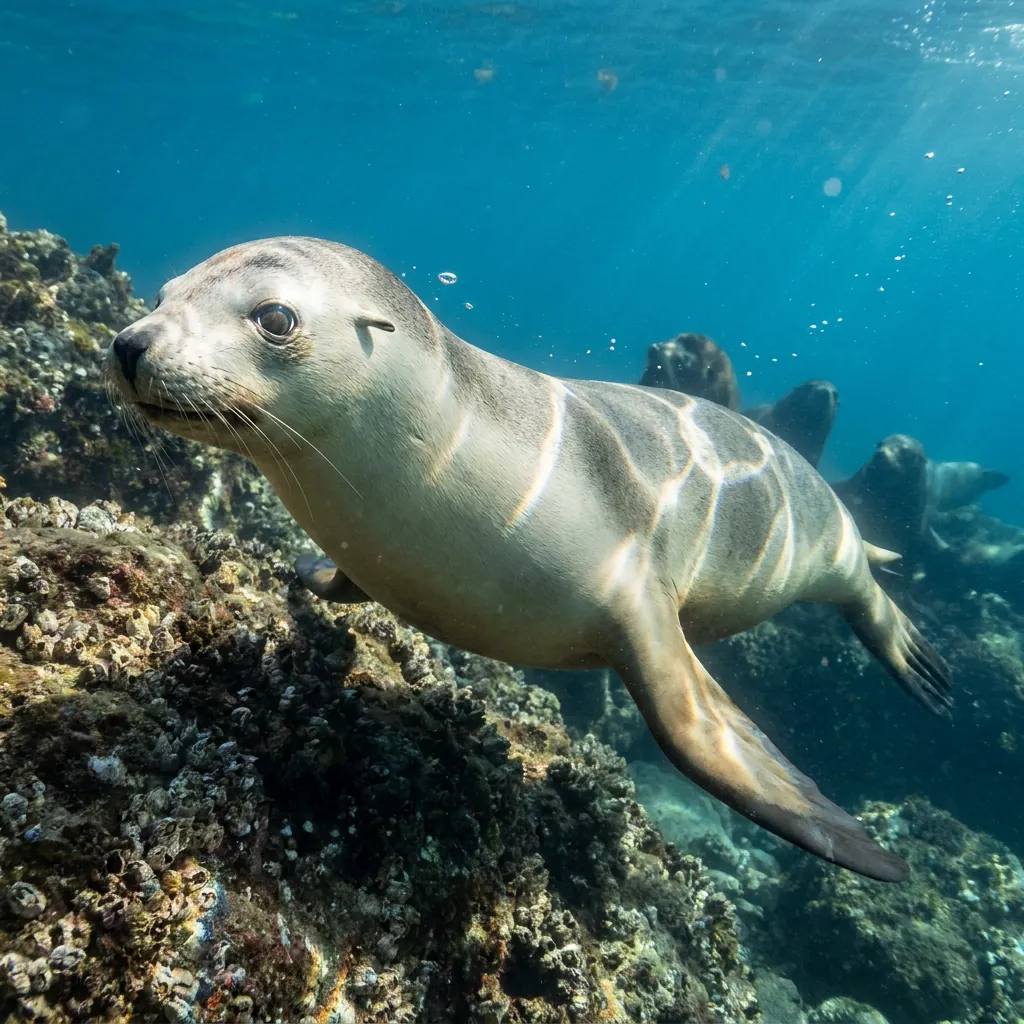
The New Zealand sea lion is one of the rarest sea lions on Earth, breeding almost entirely on remote subantarctic islands far south of the mainland. Males can grow to 330 cm and weigh up to 400 kg, dwarfing the smaller, paler females.
Also known as: hooker's sealion, hooker's sea lion, new zealand sealion
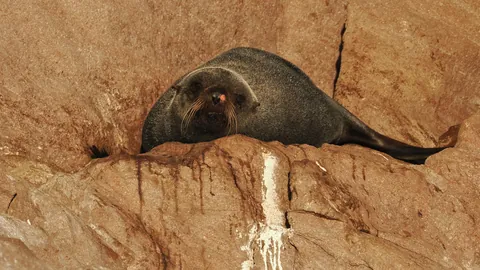
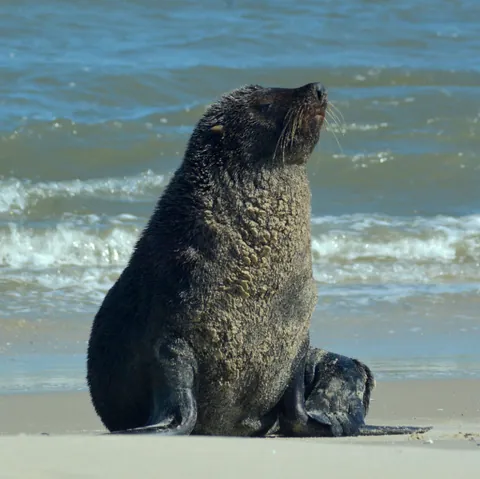
New Zealand fur seals share these waters but lack a mane. Adult male sea lions carry a coarse mane of hair over the shoulders, the clearest way to tell a male sea lion from a fur seal at a glance.
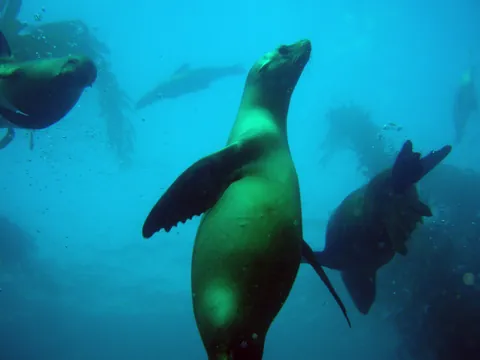
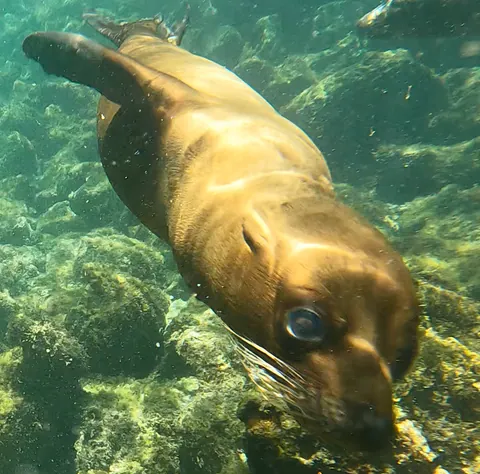
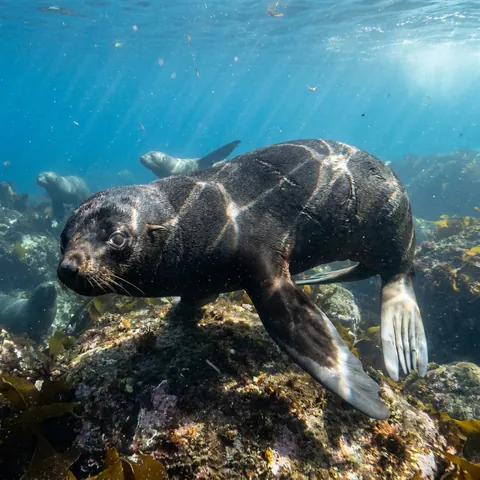
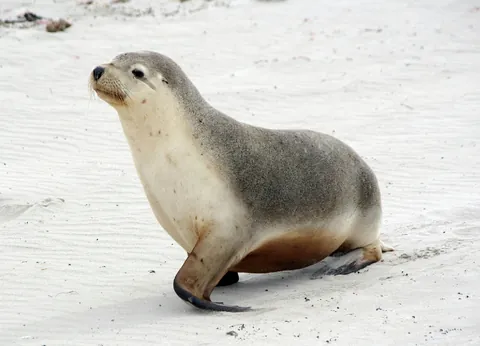
Males and females look strikingly different. Adult males are blackish-brown and much bigger than females, which range from buff to creamy grey with darker shading around the muzzle and flippers. Pups are born dark brown and turn dark grey with cream markings on the head, tail, and flipper bases as they grow.
Most of the population breeds on New Zealand's subantarctic Auckland and Campbell Islands. In recent decades small numbers have begun breeding again along the coasts of the South Island and Stewart Island, after being wiped out there by hunting long ago.
Unlike other sea lions and seals, females move well inland with their pups during the breeding season, travelling from sandy beaches through tall grass and into forest. This shelters pups from harassing males, storms, and parasites. As mainland numbers slowly grow, sea lions are turning up in towns and other human spaces more often.
It hunts a wide range of prey, including fish, rays, sharks, squid, octopus, crustaceans, seabirds, and other marine mammals, even fur seal pups. What it eats varies strongly by location, with little overlap between populations at opposite ends of its range. Great white sharks are its main predator.
The IUCN has not formally assessed this species, but it is widely regarded as the most threatened sea lion in the world. Its main breeding population has declined sharply, largely due to food shortages that lower pup survival. New Zealand has raised its domestic threat ranking in response, and sea lion exclusion devices are now used in the Auckland Islands squid fishery to reduce deaths from fishing gear.
In Maori, this sea lion has three separate names: pakake for the species as a whole, whakahao for males, and kake for females.
Describe what you saw and we name it, then keep every species you find in your Oceandex.