Clownfish
clownfish
Amphiprion melanopus
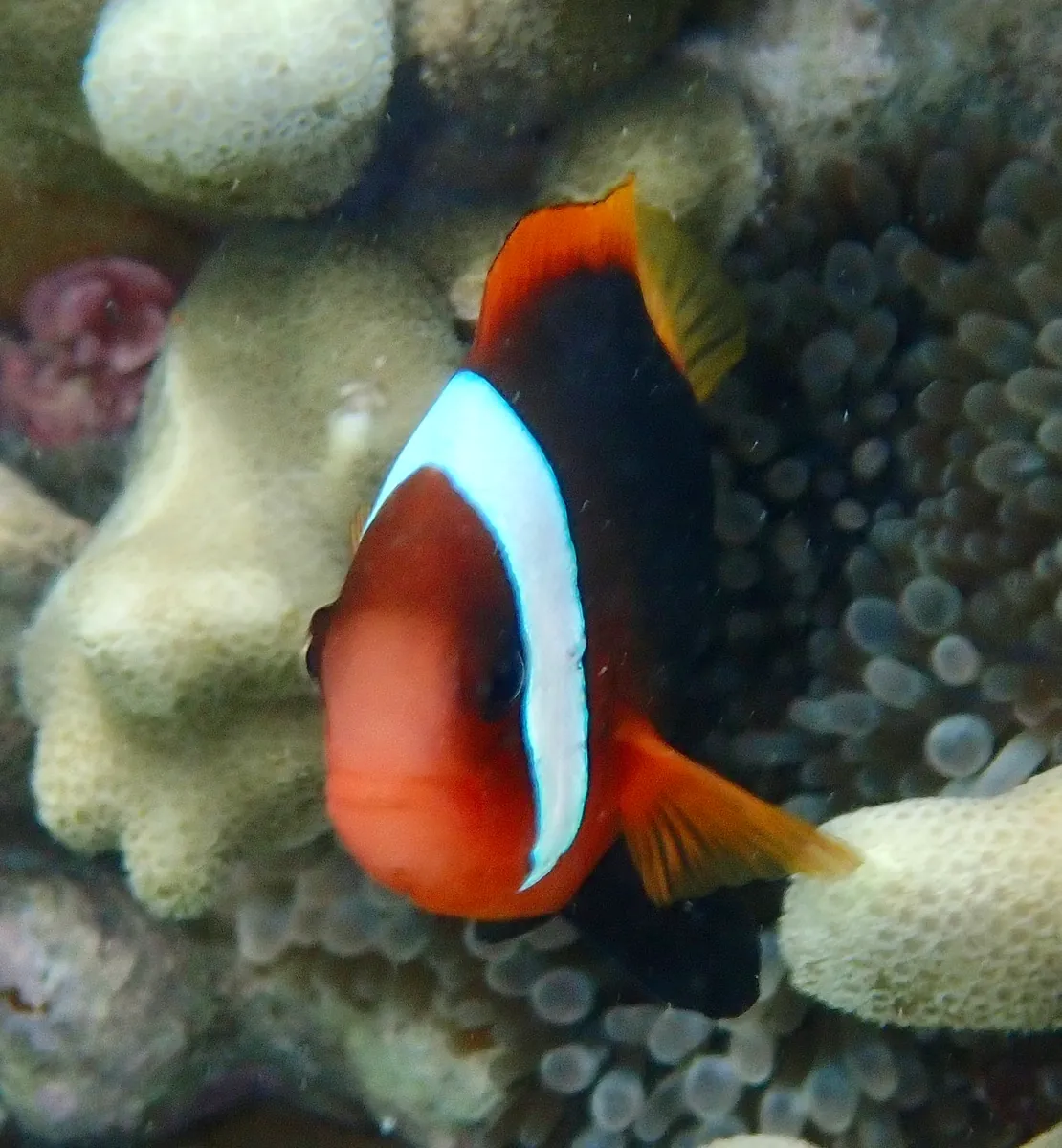
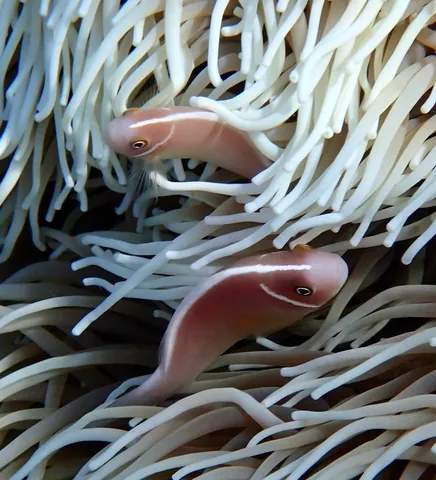
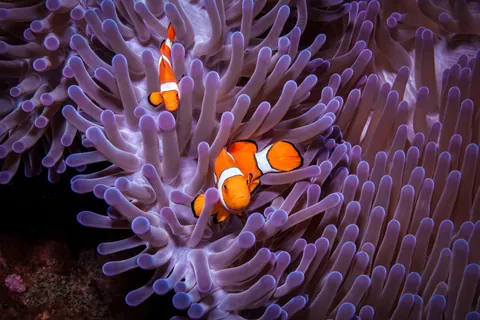
The fire clownfish spends its whole life tucked among the stinging arms of a host anemone. Predators that would eat it never dare follow it in.
Also known as: dusky anemonefish, red-and-black anemonefish, black anemonefish, dusky anemonefish, fire clownfish, red and black anemonefish, dusky anemone-fish, clownfish, black anemonefish, red-and-black anemonefish, dusky anemonefish, blackback anemonefish, red and black anemonefish, fire clownfish, red and black anemonefish, dusky anemone-fish, blackback anemonefish, black-backed anemonefish, black anemonefish, black anemone-fish, cinnamon clownfish
People often mix this species up with Barber's anemonefish (Amphiprion barberi), once thought to be the same fish. Check the body colour: this species runs dark brown to blackish, while Barber's anemonefish is red-orange.
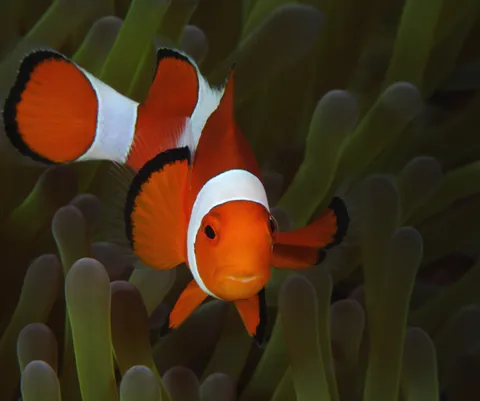
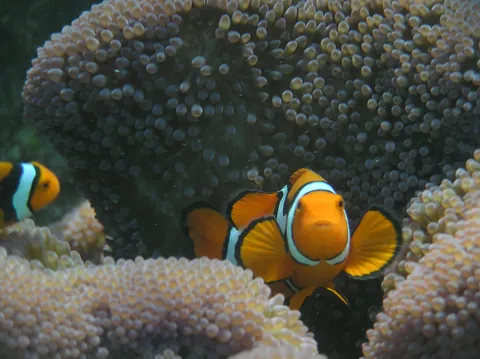
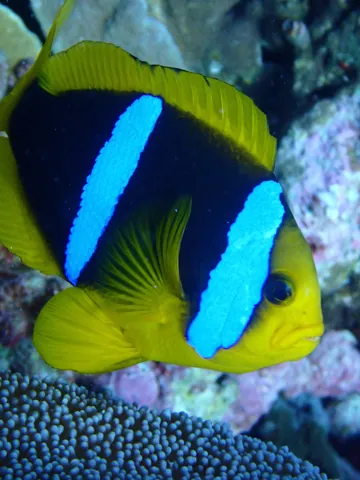
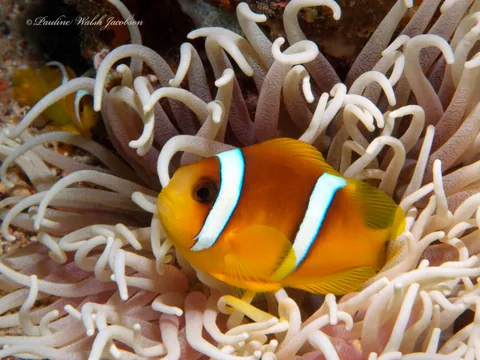
This clownfish has a dark red to orange body with mahogany sides and black pelvic fins. A wide white band crosses its head just behind the eye, sometimes with a blue tint. Its back and tail fins are lighter, sometimes a cinnamon shade. It grows up to 12 centimetres long.
This anemonefish lives in the western Pacific, from the Great Barrier Reef north to the Marshall Islands and Guam, and from New Guinea to eastern Indonesia. It lives in lagoons and on outer reefs, between 1 and 18 metres deep. It usually shelters in the bubble-tip anemone, and sometimes in the leathery or magnificent sea anemone.
Anemonefish and their host anemones face the same threats on the reef. Warmer water and more acid seas can cause the anemones to bleach, and people catch wild anemonefish for the aquarium trade, adding more pressure on the population.
Its species name, melanopus, is Greek for 'black feet' - a reference to this fish's black pelvic fins.
Describe what you saw and we name it, then keep every species you find in your Oceandex.