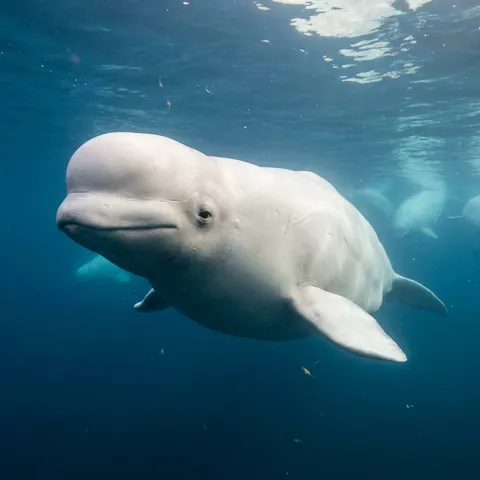
Beluga Whale
Delphinapterus leucas
Balaenoptera edeni
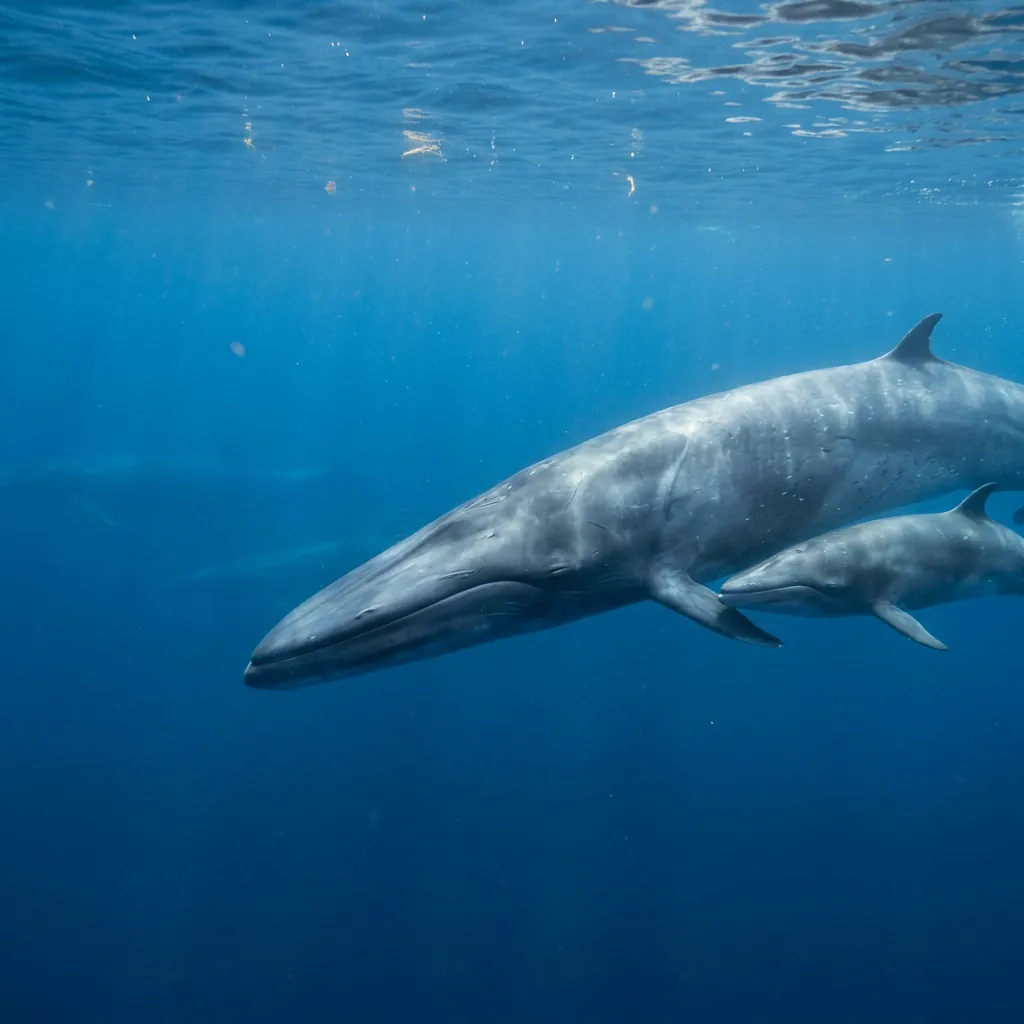
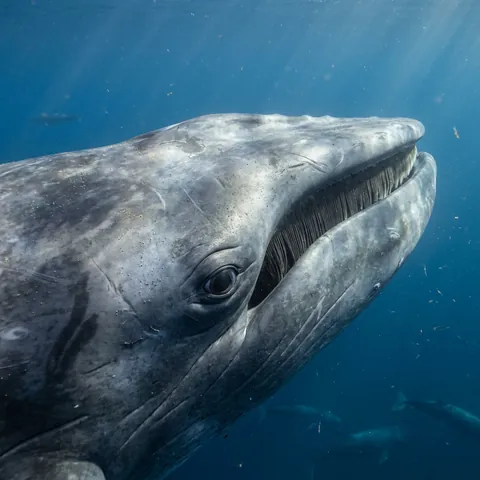
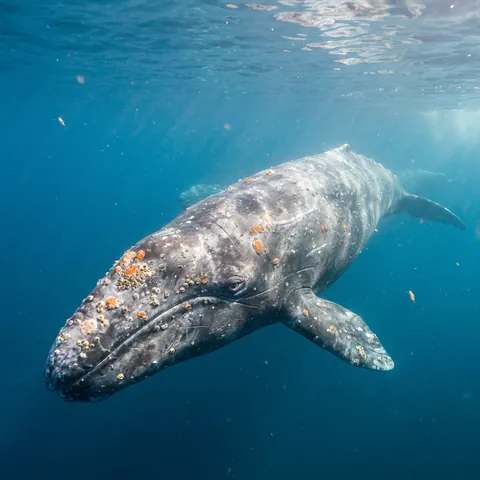
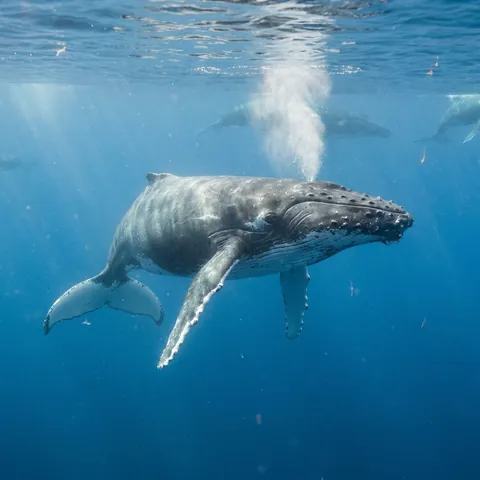
Bryde's whale is a large baleen whale that grows to about 15.5 metres and 25 tonnes. It lives in warm oceans worldwide. It is easy to miss at the surface, since it often changes direction and dives without warning.
Also known as: balaenoptera edeni, balaenoptera edeni anderson, 1879, brooders whale, bryde's whale complex
Bryde's whales live in the Atlantic, Pacific, and Indian Oceans. They like warm, food-rich water more than the cold seas some other whales prefer. They range from open ocean far offshore to shelf waters closer to shore. You can find them from the surface down to deep offshore water.
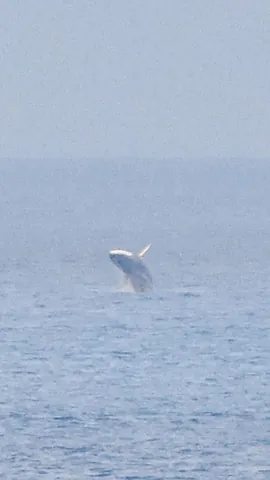
This whale comes up for air at odd times and often changes direction for no clear reason. That makes it harder to track than many other baleen whales. It usually swims alone or in pairs, though small loose groups can gather where there is plenty of food. It does not lift its tail before it dives, and it sometimes makes low, moaning calls underwater.
Bryde's whales eat a mix of small schooling fish, tiny floating shrimp-like animals called krill, and squid. What they eat shifts with place and season: some groups eat mostly anchovies close to shore, while others feed further out on krill or open-water fish. Like other large whales, they lunge through schools of prey with their mouths open to feed.
Females breed every other year. Calves can be born at any time of year, but most come in autumn. Calves drink their mother's milk for several months before they head off on their own.
harmless to humans
Bryde's whale is listed as a species of least concern overall. Even so, some regional groups are far more at risk: whales off New Zealand and in the Gulf of Mexico are considered endangered or critically threatened.
This whale's scientific name, edeni, comes from Sir Ashley Eden, a British colonial official whose staff investigated a whale stranded far up a creek in Burma in 1871. Locals said the trapped animal 'roared like an elephant' as it struggled to free itself, before it died.
Describe what you saw and we name it, then keep every species you find in your Oceandex.