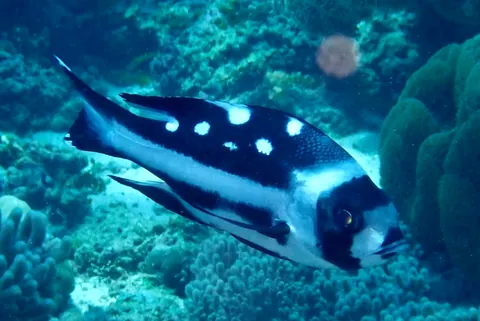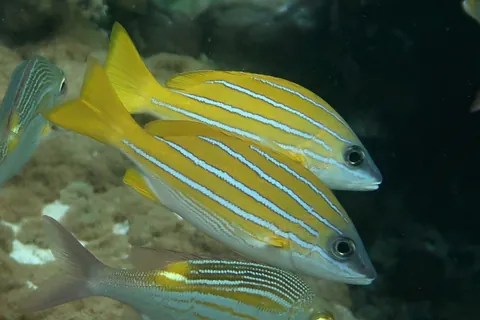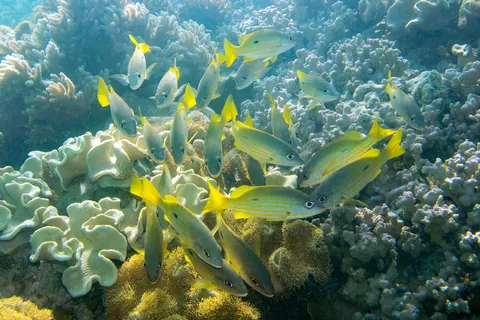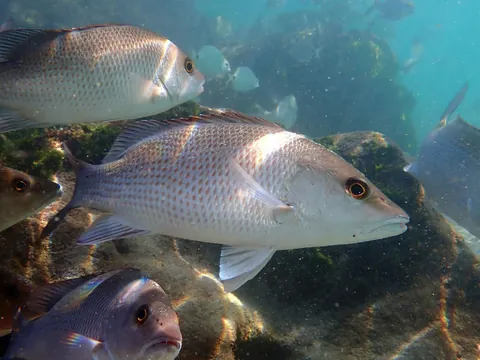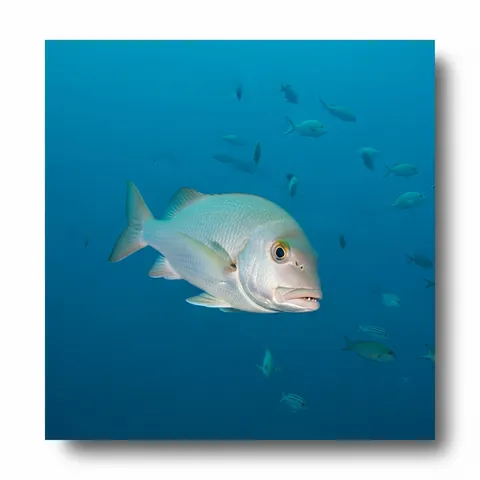
African forktail snapper
Apsilus fuscus
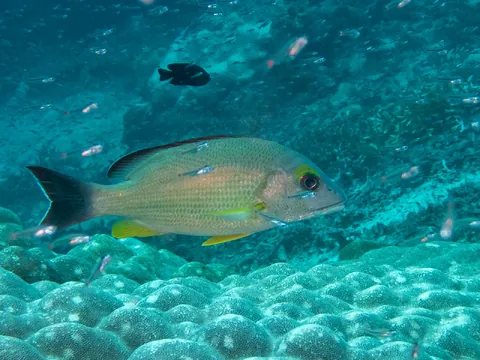
Lutjanus bohar
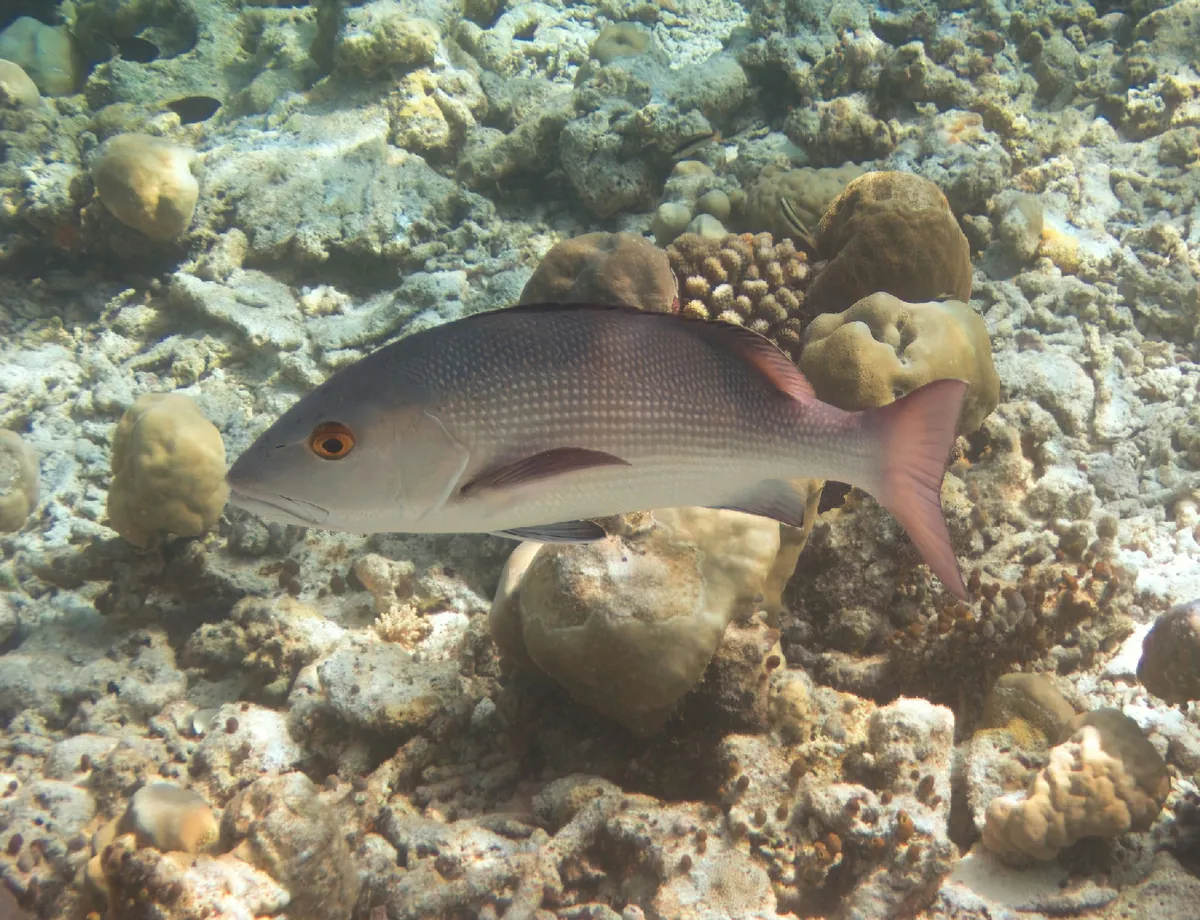
The two-spot red snapper is a big, heavy-bodied reef snapper of the tropical Indo-Pacific. It grows to about 90 cm, though most fish are around 76 cm, and the heaviest recorded weighed 12.5 kg. Divers meet it between 4 and 180 m, usually between 10 and 70 m. It grows slowly and lives a long time. It is listed as Least Concern. Large fish from oceanic areas can carry ciguatera, a poison that builds up in reef fish and makes them unsafe to eat.
Also known as: kelp bream, kelp sea perch, mylah, red bass, red snapper, red snapper, two-spot red snapper, twinspot red snapper, two-spot banded-snapper, two-spotted snapper, twospot snapper, red snapper, twinspot red snapper, red bass, kelp bream, two-spotted snapper, twinspot snapper, red sea bass, two-spot snapper, two spot red snapper, two-spot red snapper, twospot red snapper, two-spot banded-snapper, snapper, kelp sea perch, two-spot red snapper, twinspot snapper, twospot red snapper, kelp sea-perch
Look for a heavy red snapper with a rounded forehead and dark fins. The most reliable mark is the pink pectoral fin with a sharp black upper edge, which stays visible at a distance and does not fade with age. On smaller fish, also look for the two silvery-white spots on the back near the dorsal fin. Body colour is a poor guide on its own, because large adults turn plain red and lose the spots.
The body is deep and solid, dark reddish-brown with faint darker stripes, and the fins are darker than the body. The forehead is rounded, and a clear groove runs from the nostrils forward to the eye. The pectoral fins, the paired fins behind the gills, are pink with a bold black edge along their upper side. Young fish and some adults carry two silvery-white spots on the back, close to the base of the dorsal fin. These spots give the fish its name, and big adults lose them and turn mostly red. Small juveniles are brownish and sometimes have a white tail end.
This snapper lives on coral reefs across the tropical Indo-Pacific, from the East African coast and the Red Sea to the western Pacific, north to the Ryukyu Islands and south to Australia. It uses both sheltered lagoons and outer reefs. Most sightings are of single fish hanging close to steep outer reef slopes, though groups do occur.
It is a hunter, feeding mainly on other fish and also on shrimps, crabs, amphipods, mantis shrimps, sea snails and sea squirts. Adults gather in large schools on outer reefs or above sandy areas, mostly to spawn. Small brown juveniles behave very differently from the adults: they swim among damselfish and copy them.
Juvenile two-spot red snappers mimic Chromis damselfish. By looking and behaving like a harmless little damselfish, the young snapper can drift close to its prey before attacking.
Describe what you saw and we name it, then keep every species you find in your Oceandex.