Emperors
emperors
Lethrinus nebulosus
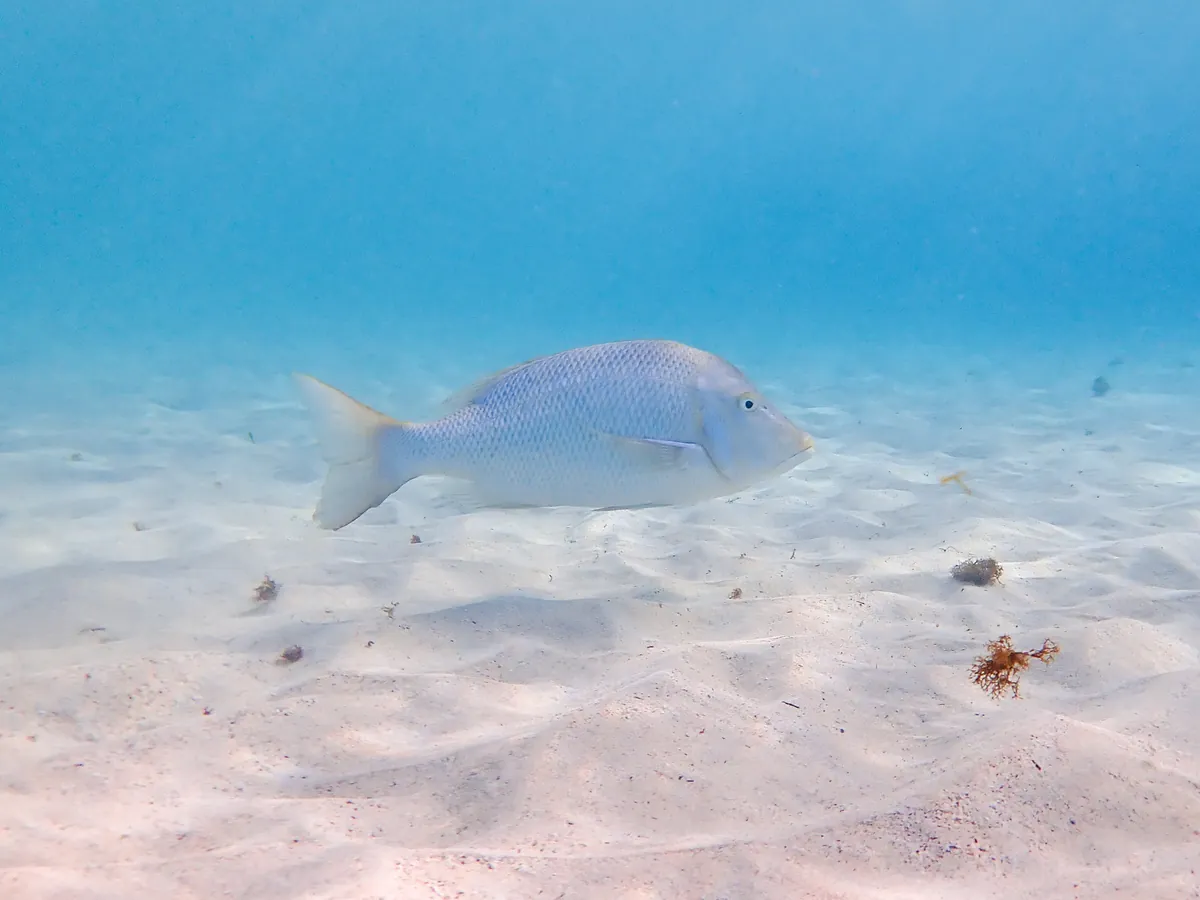
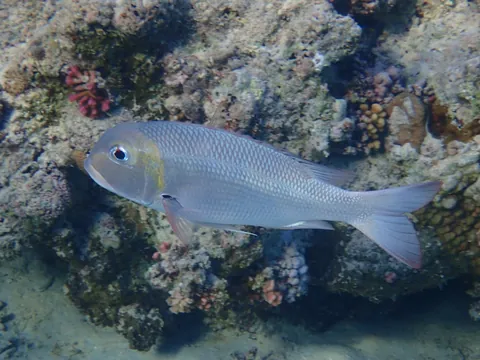
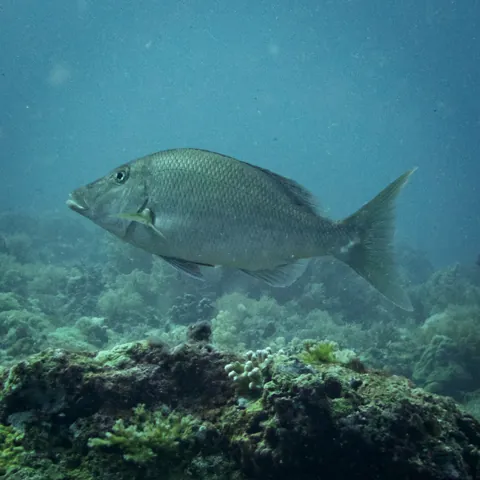
The spangled emperor is a solid, bronze-coloured reef fish that grows to a hefty 87 cm and can weigh up to 8.4 kg. It is one of the most commonly seen large fish across its range, prized by anglers as good eating.
Also known as: nor'-west snapper, spangled emperor, blue emperor, sand snapper, spangled emperor, spangle emperor, red-finned emperor, snuppy, mata-hari, thumbprint emperor, morwong, starry pigface bream, norwest snapper, emperor fish, ambon emperor, tricky snapper, scavenger, sand snapper, north-west snapper, sixteen-pounders, parrot-fish, emperor, green snapper, yellow sweetlip, blue emperor, sea bream, sand bream, pig-faced bream, pigface bream, sand bream, spangled emperor, yellow sweet-lip, sand snapper, north-west snapper, nor'-west snapper, yellow sweetlip, green snapper, blue emperor
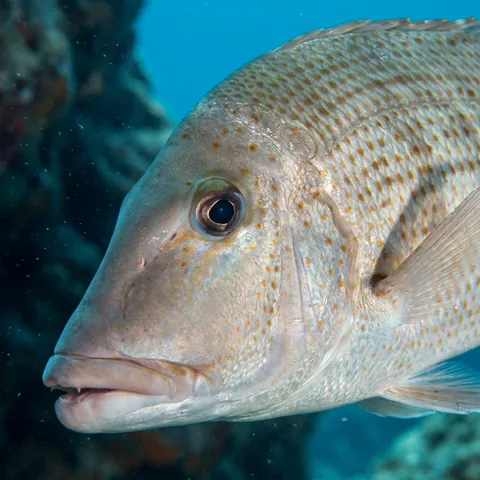
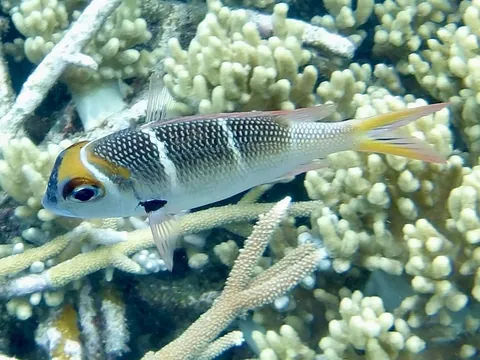
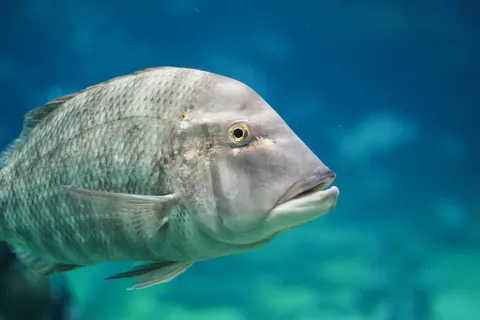
Several emperor bream species share this bronze body with scattered blue spots. Look at the cheek: this species has no scales on it, sometimes with a vertical blue mark, unlike similar-looking relatives with scaled cheeks.
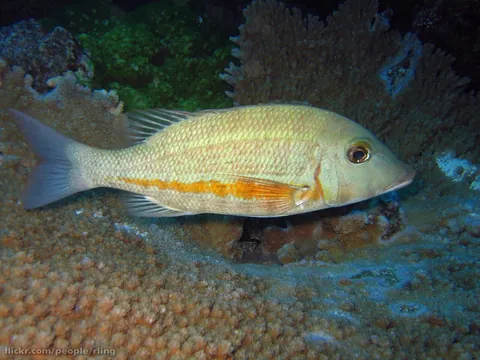
This fish has a moderately deep, sturdy body in yellowish-brown to bronze, with a paler belly. Scattered blue markings are spread over the body. Its fins are whitish to yellowish, and the dorsal fin, the fin along its back, has a yellow edge.
Spangled emperors live on coral and rocky reefs, over seagrass beds, around mangrove swamps, and on flat sandy bottoms, at depths from 10 to 75 m. Adults tend to be solitary or in small groups, while juveniles gather in large schools in sheltered, sandy shallows.
Scientists are not fully certain how this species reproduces. It was once thought to change sex from female to male over its life, but recent study suggests young fish develop directly into either sex without a true reversal later on.
This fish can survive for long periods in water far less salty than the open sea, which is why it is being explored as a species for farming in estuaries.
Describe what you saw and we name it, then keep every species you find in your Oceandex.