Emperors
emperors
Lethrinus erythracanthus
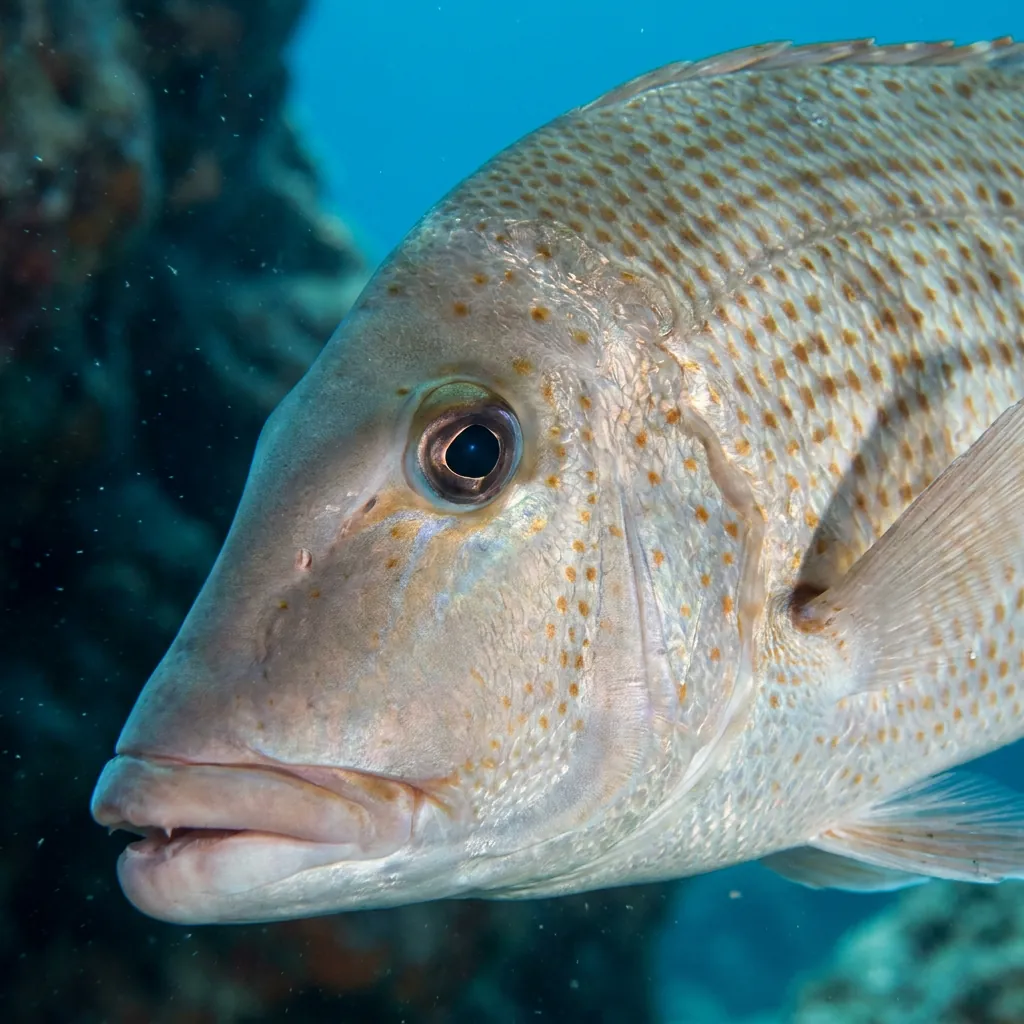
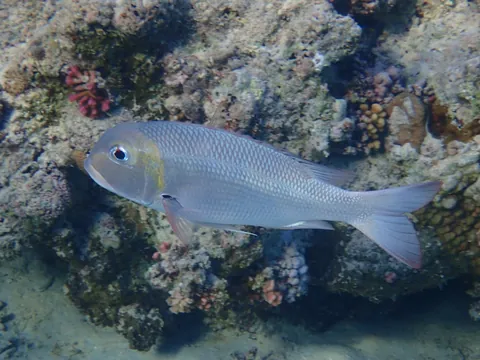
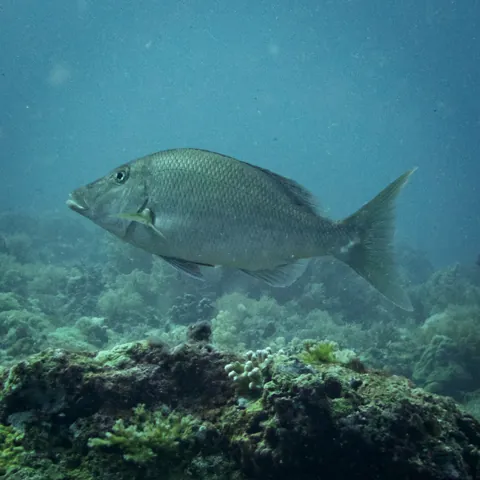
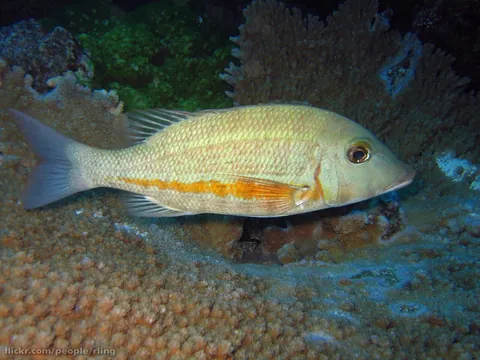
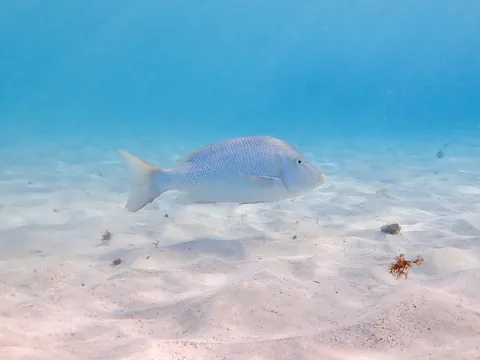
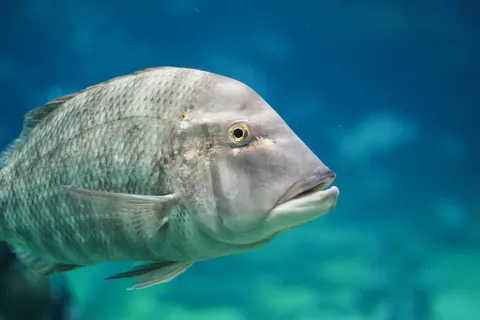
The orange-spotted emperor is the largest member of its genus, a deep-bodied reef fish with a short snout and a bright orange tail. It grows to about 70 cm, commonly around 50 cm.
Also known as: yellow-spotted emperor, emperor, sweetlips, large-eye bream, thumprint emperor, yellow-spotted emperor, orangespotted emperor, orange-finned emperor, orange fin emperor, pigface bream, orangefin emperor, orange spotted emperor, yellowfin emperor, orange-finned emperor, orangespotted emperor
This is the largest species in its genus, and its tail colour is the quickest way to place it: bright orange in most of its range, though pale yellow in the Indian Ocean, unlike the duller tails of most nearby Lethrinus species.
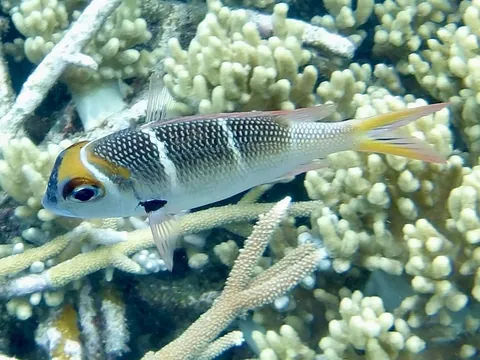
The body is dark brown-grey with scattered golden-orange spots, and faint light and dark stripes sometimes show along the lower sides. The head is brown or grey with large eyes suited to feeding in low light, and smaller adults often carry small yellow-orange spots on each cheek. The caudal fin is bright orange and forked in young fish, becoming rounded as the fish matures. The dorsal and anal fins are rounded, usually bluish with orange mottling or blue spots, and the pelvic and pectoral fins run orangish to white.
This emperor lives on coral reefs across the Indo-Pacific, from East Africa to the Tuamotu and Society Islands. It keeps to channels, outer reef slopes, and the soft bottoms next to them, as well as deep lagoons, at depths from 15 to 120 m. By day it is often solitary, resting in or near caves and ledges.
Its species name, erythracanthus, combines the Greek words for "red" and "thorn." The naturalist who first described the fish in 1830, Achille Valenciennes, chose it for the beautiful red rays in its fins.
Describe what you saw and we name it, then keep every species you find in your Oceandex.