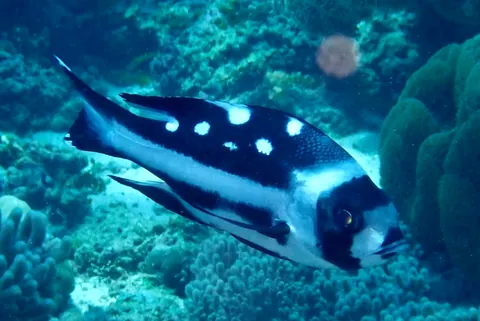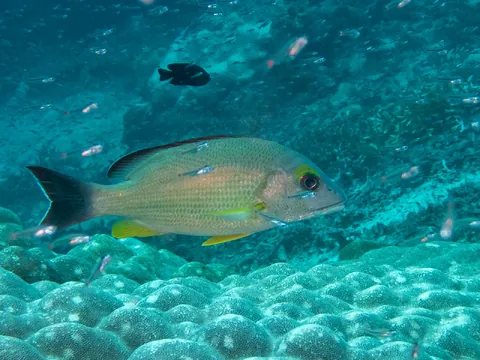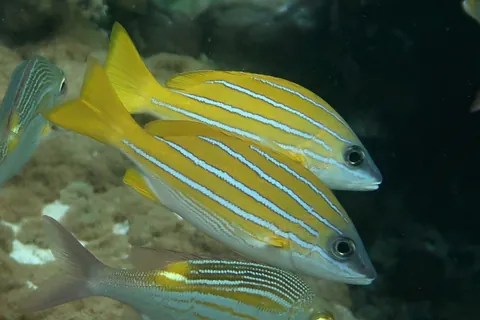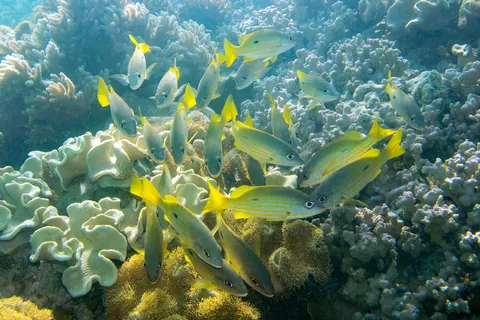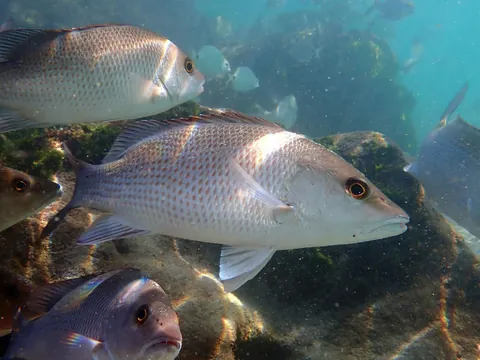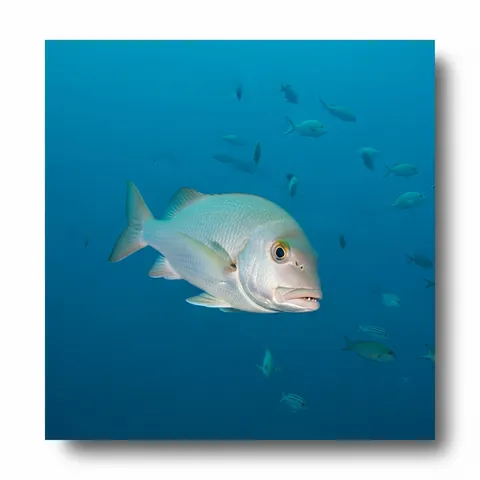
African forktail snapper
Apsilus fuscus
Lutjanus argentimaculatus
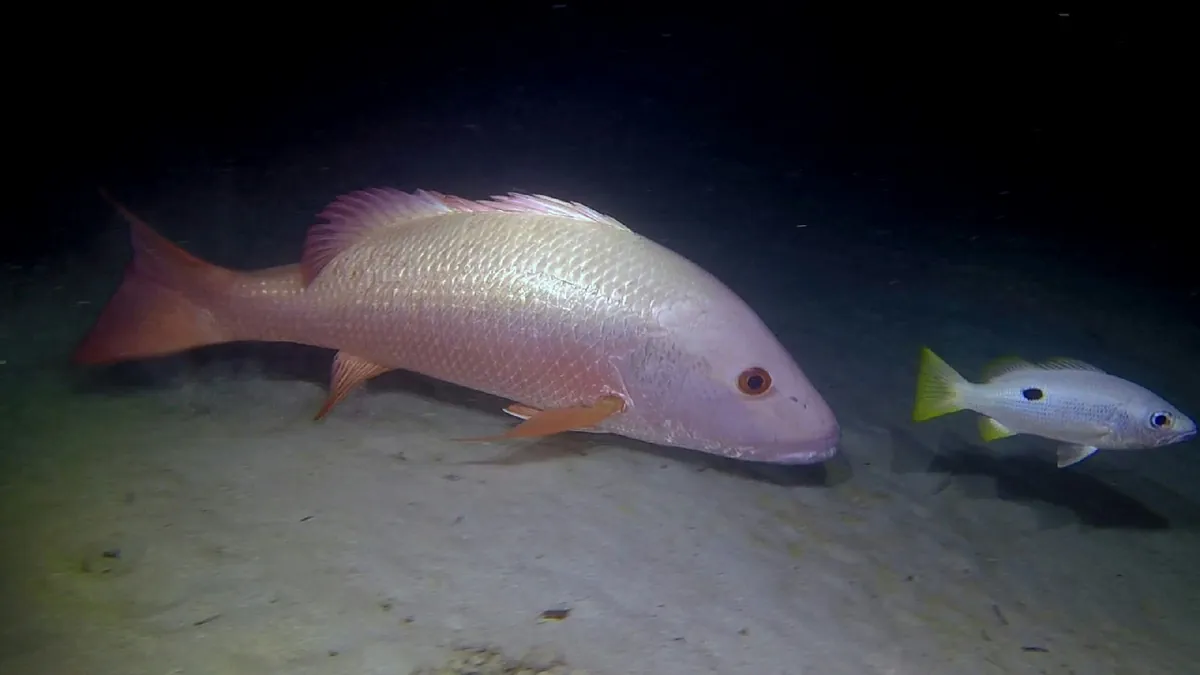
Known by more names than almost any other snapper - mangrove jack, grey snapper, river roman among them - this is a big, powerful ambush predator that grows to 150 cm and up to 8.7 kg.
Also known as: dog bream, gray snapper, mangrove jack, mangrove snapper, mangrove red snapper, purple sea perch, red bass, red bream, red perch, red reef bream, red snapper, rock barramundi, mangrove jack, snapper, river snapper, malabar red snapper, red bass, mangrove snapper, silver-spotted gray snapper, red perch, yellow snapper, red snapper, gray snapper, purple sea perch, dog bream, silver snapper, silver-spotted grey snapper, river roman, red reef bream, red bream, mangrove jack reddish snapper, grey snapper, mangrove red snapper, purple sea-perch, rock barramundi, indo-pacific mangrove red snapper, amarillo snapper
On reefs it can be mistaken for the red bass (Lutjanus bohar), a species linked to ciguatera poisoning. The red bass runs noticeably darker overall and has a deep groove running from its nostrils to its eyes, which this species lacks.
Colour ranges from burnt orange to copper, bronze, or dark reddish-brown, depending on age and where the fish lives. Younger fish from estuaries tend to be darker, with lighter vertical bands down their flanks. The jaws carry prominent, fang-like teeth used for gripping prey.
Young fish live in mangrove-lined estuaries and the lower reaches of rivers, with some pushing well into fresh water. As they grow, they move out to open reef, gathering in groups around coral, and the largest adults may migrate far offshore, sometimes to depths past 100 m, to spawn.
A mostly nocturnal hunter, it feeds on fish, crustaceans, snails, and small squid or octopus. It ambushes prey around mangrove roots, fallen trees, rock walls, and other snags where smaller animals shelter.
This species broadcasts its eggs into open water rather than guarding a nest. Spawning takes place over reef lagoons and outer slopes, with timing that shifts by region and tracks the lunar cycle, peaking around the full moon.
Its fang-like teeth are sharp enough to draw blood - anglers who mishandle a caught mangrove jack sometimes come away with a nasty bite.
Describe what you saw and we name it, then keep every species you find in your Oceandex.