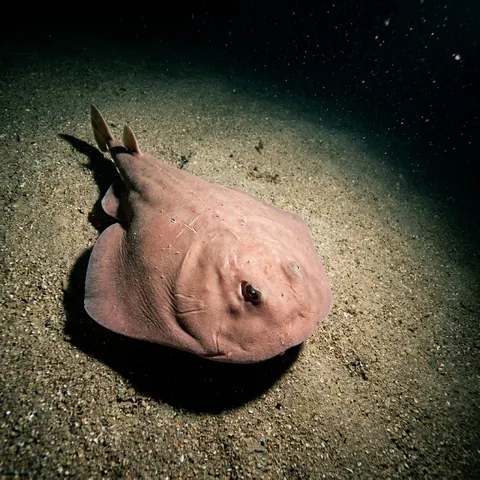
Coffin Ray
Hypnos monopterygius
Narcine bancroftii
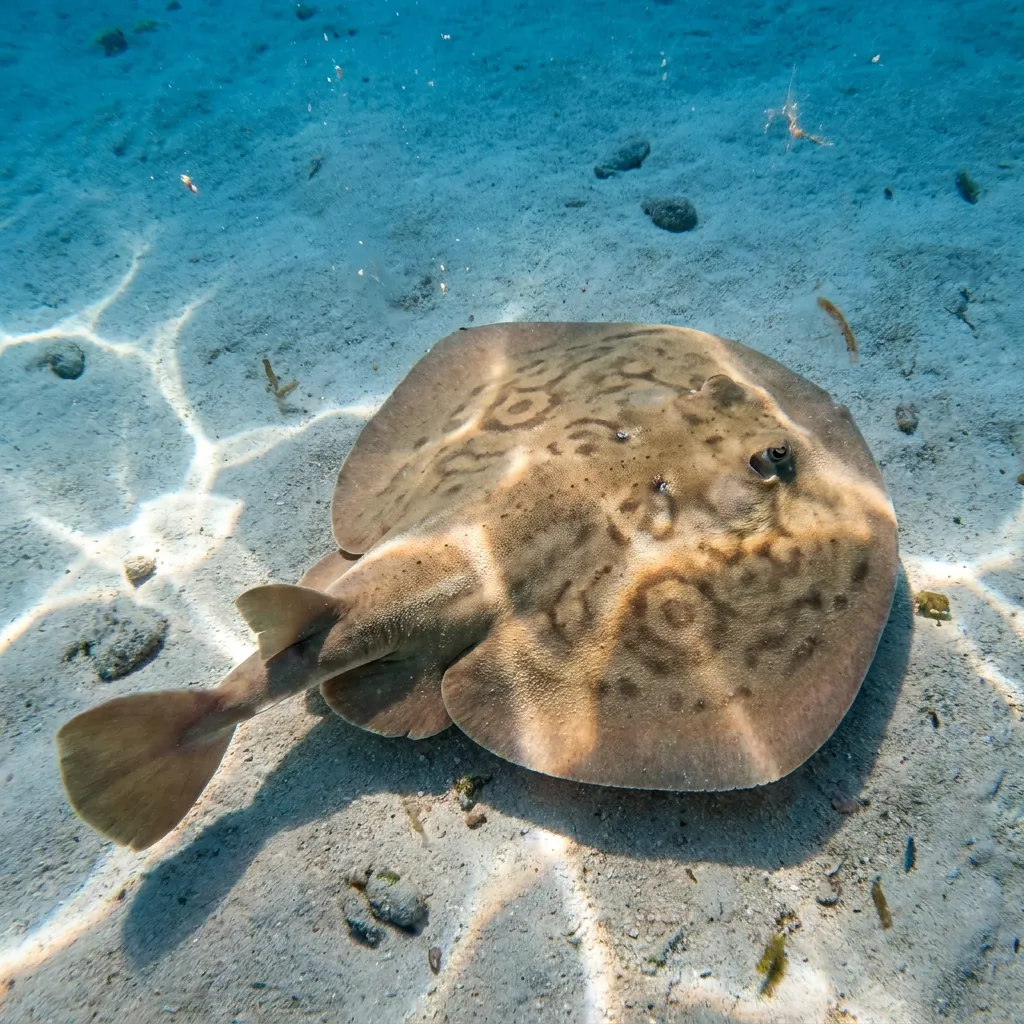
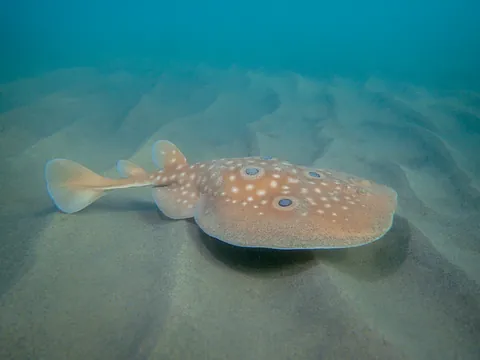
A small, sluggish ray of sandy shallows, the Caribbean electric ray lies buried and still until something worth eating comes within reach. It can grow up to 65 cm long.
Also known as: small electric ray, trembler, torpedofish, lesser electric ray
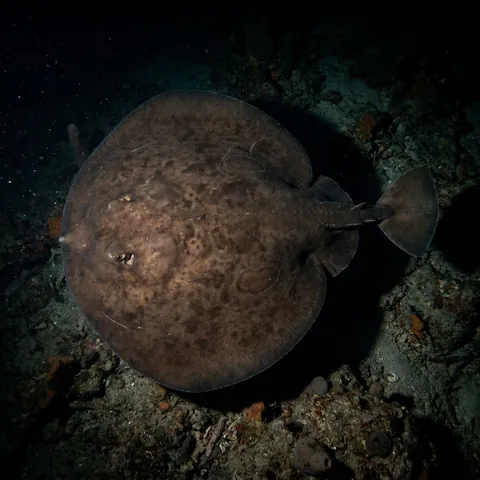
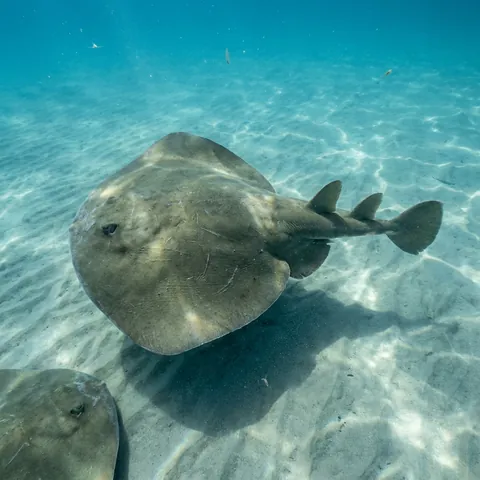
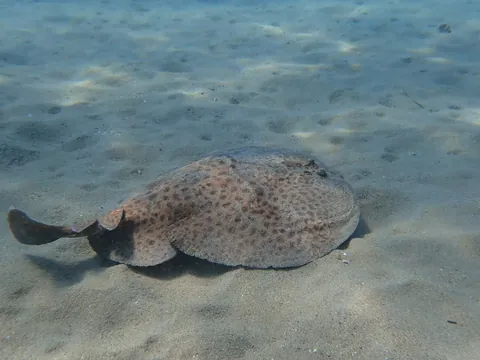
Its perfectly round disc sets it apart from stingrays, which have pointed, wing-like sides. Look for that round outline together with the irregular dark rings across its back.
This ray has a near-circular disc and a short tail, with a colour ranging from dark brown to reddish orange, marked with irregular rings that are sometimes oval. Its underside is white to greenish. A pair of long electric organs runs beneath the skin from just in front of the eyes back to the rear edge of the disc, used to stun prey and to defend itself.
This ray lives in the western Atlantic, from Brazil north to North Carolina, and through the Gulf of Mexico and the Caribbean Sea. It stays on the bottom, usually buried under sand or mud in shallow water close to shore, though it has been found down to about 35 metres.
The Caribbean electric ray is listed as of Least Concern. It is often caught as unwanted bycatch in shrimp trawls and seine nets, and its numbers fell sharply in the Gulf of Mexico from the 1970s onward. A thorough 2016 review of fisheries data concluded the species was not at risk of extinction across its range.
Describe what you saw and we name it, then keep every species you find in your Oceandex.