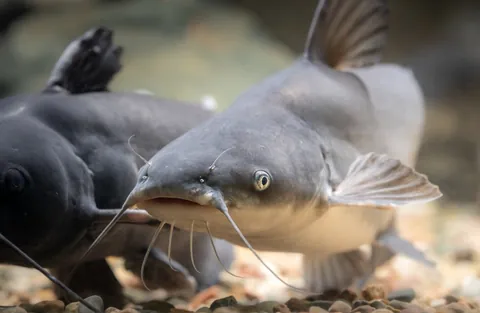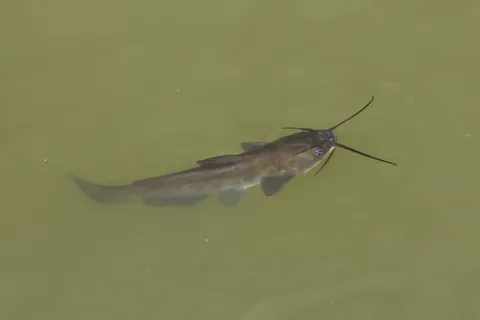
Brown Bullhead
Ameiurus nebulosus
Hoplosternum littorale
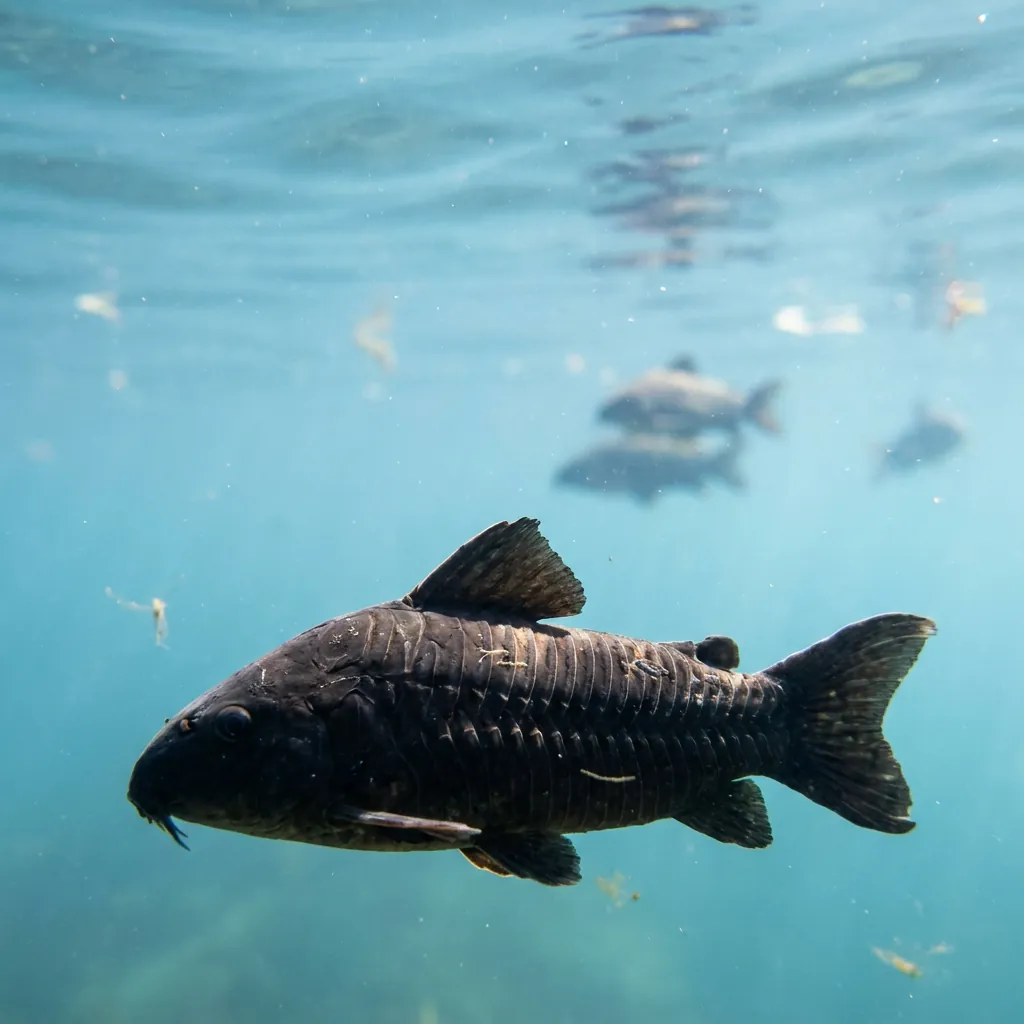
The atipa is an armoured freshwater catfish built to survive swamps that would suffocate most other fish. It grows up to 26.3 cm and can breathe air when the water around it runs short of oxygen.
Also known as: brown hoplo, brown hoplo, catfish, atipa, hassar, brown hoplo, kwi kwi
This armoured, flattened body is shared with other members of its family. The clearest single mark is on breeding males: a long, curved pectoral spine, often reddish, that disappears again once the season ends.
The body is covered in bony armour plates and flattened from top to bottom. Breeding males grow larger than females and develop extra fat in the pectoral fin.
The atipa lives in tropical swamps, floodplains, and other still, warm fresh water across much of South America east of the Andes. These waters are often low in oxygen and change strongly with the seasons, and the atipa copes by breathing partly through its gut as well as its gills.
Spawning is triggered by the first heavy rains of the wet season. The pair courts by swimming side by side and touching barbels, the whisker-like feelers near the mouth, before building a dome-shaped nest of bubbles at the surface. The nest lifts the eggs above the low-oxygen water below. The male then guards the territory around the nest, using his enlarged pectoral spines.
This fish carries a different local name in almost every country it lives in - tamata in Brazil, atipa in French Guiana, hassa in Guyana, kwi kwi in Suriname, cascadura in Trinidad and Tobago, and busco or currito in Venezuela.
Describe what you saw and we name it, then keep every species you find in your Oceandex.