Nurse shark
Ginglymostoma cirratum
Ginglymostoma unami
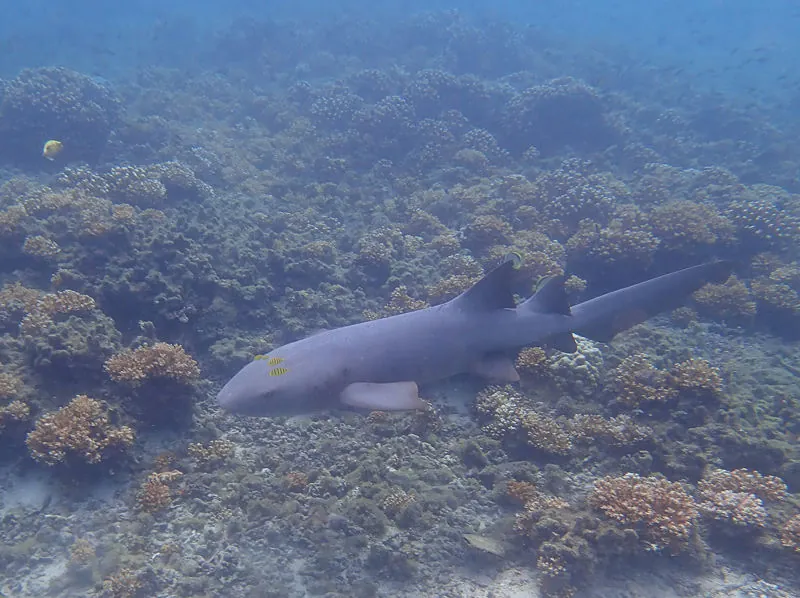
The Pacific nurse shark is the Eastern Pacific sister species of the Atlantic nurse shark. It was described in 2015; before that, these sharks were considered the same species as the Atlantic nurse shark. Adults are around 2 m long.
Also known as: ginglymostoma unami
It is told apart from the Atlantic nurse shark only by details such as the position of the pelvic fins, its teeth and its skin denticles. The Atlantic nurse shark is restricted to the Atlantic, so a nurse shark on the Pacific coast of the Americas is this species.
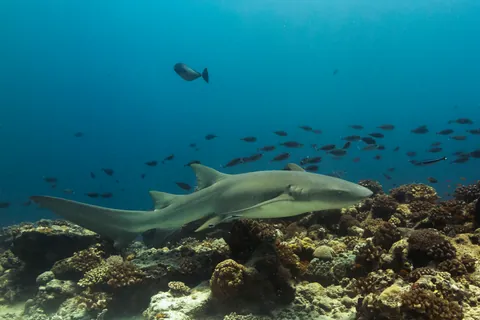
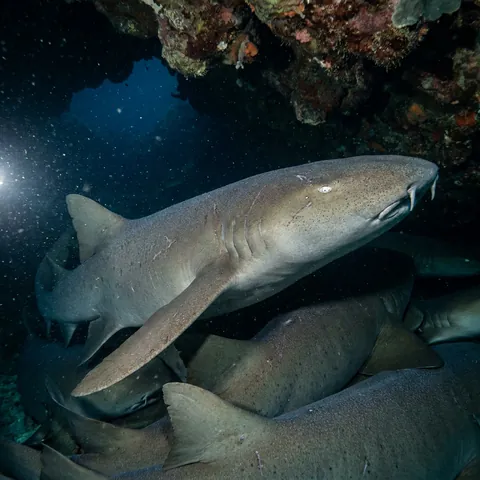
A broad head with a broad, round snout, a small mouth on the underside and long barbels around the nose. The fins are rounded, with two dorsal fins and a long tail. It is brown with yellow undertones and a light belly; juveniles are spotted on the back.
It is found only in the tropical Eastern Pacific, from southern Baja California and the Gulf of California to Peru. It lives in shallow water over sandy and rocky bottoms, near rocky and coral reefs and mangroves, and is often seen in calm, warm bays.
It spends almost all its time on the bottom and is very faithful to its home sites, yet individuals have been tracked travelling up to 390 km from their home range.
It feeds by suction on small bony fish and on invertebrates such as squid, octopus, crabs, sea urchins, lobsters and shrimps.
Its species name, unami, comes from UNAM, the National Autonomous University of Mexico.
Describe what you saw and we name it, then keep every species you find in your Oceandex.